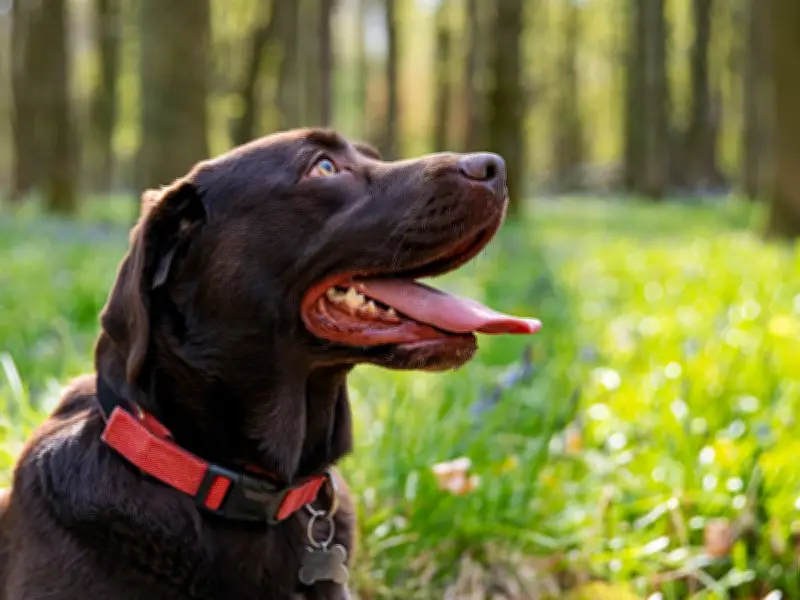
The 'leave it' command is the single most valuable dog command during a heatwave, as it can prevent dogs from eating dangerous foods like cooked bones, corn on the cob, and grapes that can cause poisoning or blockages, according to pet nutritionist Lisa Hannaby-Aird.
Why Summer Poses Extra Risks for Dogs
As the UK experiences a record-setting heatwave, dogs face increased dangers from seasonal activities like BBQs and picnics. Cooked bones splinter easily, corn on the cob can cause serious blockages, and grapes or raisins are toxic even in small amounts. Fatty leftovers can also upset digestion or lead to more severe stomach issues.
Lisa Hannaby-Aird, pet nutritionist at Forthglade, explains: “If something smells exciting, dogs usually act first and think later. That’s why ‘leave it’ matters so much — it gives owners a split second to stop a situation from becoming dangerous.”
The Most Important Command: ‘Leave It’
Lisa says the ‘leave it’ command is crucial because it teaches dogs to disengage from something before picking it up. With more time outdoors in summer, there’s greater opportunity for dogs to encounter hazards like picnic scraps, BBQ leftovers, litter, and other people’s food.
She warns that waiting until something goes wrong to teach the command is a common mistake: “You don’t want the first time your dog hears ‘leave it’ to be when they’re already about to swallow something.”
How to Teach the ‘Leave It’ Command
Lisa recommends starting training in a calm environment at home, not in a busy park. “Place a low-value treat or object on the floor and calmly ask your dog to ‘leave it’. The moment they disengage, even briefly, reward them with something better. You’re essentially teaching your dog that walking away from something exciting is worth it.”
She advises practicing indoors first, then in the garden, on quieter walks, and eventually in busier parks. “Consistency matters more than intensity.”
What to Do If Your Dog Eats Something Dangerous
If a dog swallows something potentially toxic, Lisa urges owners to act quickly: “If you think your dog has eaten something dangerous, contact your vet as soon as possible rather than waiting for symptoms to develop. Often the sooner you act, the better the outcome.”
With summer park visits and outdoor adventures increasing, teaching the ‘leave it’ command now could mean the difference between a normal walk and an emergency trip to the vet.