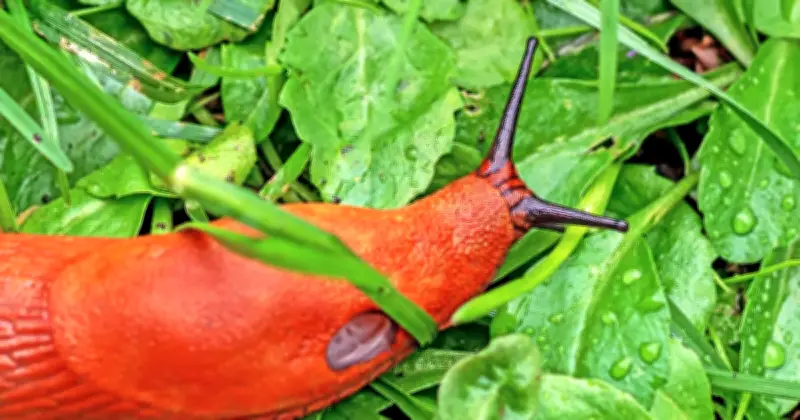
Bran barriers achieved a perfect score of 5/5 in Gardeners' World trials, emerging as the most effective natural solution against slugs. Slugs cost UK gardeners a whopping £8 million in plant damage each year, according to Greenhouse Stores.
How Bran Works Against Slugs
Slugs are composed almost entirely of water, and bran has a desiccating effect that proves fatal to them. When slugs gorge on bran, they quickly become bloated and dehydrated, becoming easy prey for birds. It is a trap disguised as a barrier and a gardener's most trusted secret hack.
Gardeners can purchase bran for just £1.49 for 500g at Holland & Barrett or £1.99 for 500g on Amazon. To use it, place a ring of bran (wheat or oat works just fine) around each plant and ensure it doesn't touch the stems.
Seaweed Meal as an Alternative
Greenside Up recommends using seaweed meal to deter slugs due to its high salt content, which slugs actively avoid. Sprinkle seaweed meal around raised beds as an initial deterrent and add a circle around each seedling, keeping it 5cm away from stems.
Seaweed contains a naturally balanced range of trace elements, minerals, vitamins, and amino acids that enrich soil microorganisms. The Gardeners' World Trial rated this method 4 out of 5, noting excellent plant protection with the bonus of soil enrichment.
Other Barrier Materials
A BBC Gardeners' World reader survey supported the barrier method. Slugs dislike prickly, abrasive textures, so popular natural deterrents include cat litter, horticultural grit, bark, ash, cocoa chips, sawdust, wool pellets, sand, and coffee grounds. These barriers need regular topping up, and it's worth remembering that most slugs live in the soil rather than on the surface.
Slugs obliterate seedlings and young plants almost overnight, leaving irregular holes in vegetation. They feed under cover of darkness and can travel up to 15 metres in a single evening. A single slug lays up to 400 eggs per year. While active year-round, their presence is especially pronounced during spring and summer when fresh vegetation is abundant.