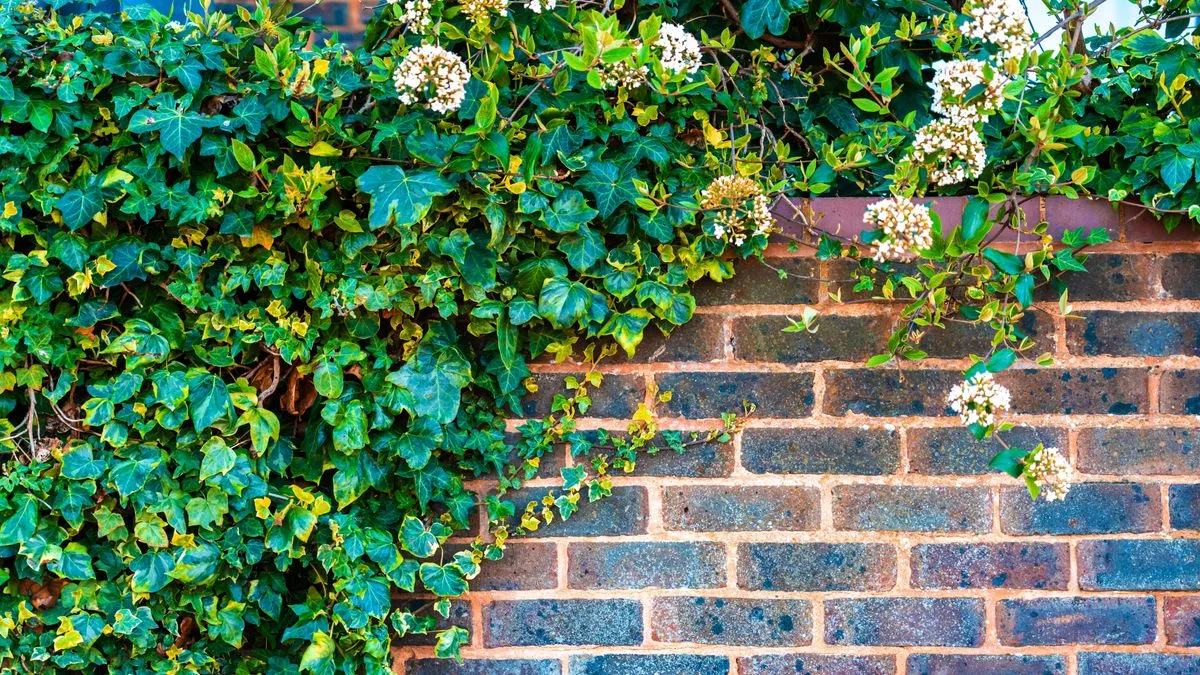
Natural Solution to Eliminate Invasive English Ivy in Five Days
English ivy, the pervasive evergreen climber found throughout British gardens, presents a significant challenge for homeowners and gardeners alike. This fast-growing plant attaches itself to walls, fences, and trees, forming dense mats of foliage that can damage structures and overwhelm other vegetation.
The Problem with Traditional Ivy Removal Methods
While ivy does provide some environmental benefits by offering habitat for birds and pollinators, its aggressive nature often outweighs these advantages. The plant's tendency to smother other plants, weaken mortar in older buildings, and block sunlight makes it a persistent nuisance in many gardens.
Most gardeners assume that tackling such a vigorous plant requires strong chemical herbicides. However, irrigation specialists at Drip Works have developed a completely natural alternative that uses three common kitchen ingredients to eliminate "serious and invasive" ivy permanently.
The Three-Ingredient Natural Ivy Killer
The effective solution requires only apple cider vinegar, salt, and washing-up liquid - items most households already possess. According to experts, this combination has been "proven to be the best solution to kill ivy" without resorting to harsh chemicals that might harm the environment or other plants.
Preparation is straightforward:
- Add one gallon of apple cider vinegar to a spray bottle
- Mix in one tablespoon of salt
- Add approximately two tablespoons (one ounce) of washing-up liquid
- Secure the lid and shake thoroughly until completely combined
While both apple cider vinegar and white vinegar can eliminate ivy, apple cider vinegar may prove more effective for some gardeners due to additional compounds beyond acetic acid. The potency depends on acetic acid concentration, which varies between different vinegar types.
Application and Safety Precautions
When applying the solution, it's essential to wear proper protective gear including gardening gloves, long sleeves, and boots. The mixture should be sprayed directly onto the ivy foliage, ensuring comprehensive coverage of all leaves and stems.
The irrigation specialists explain that the vinegar-based solution functions as a natural herbicide, dehydrating ivy foliage and helping to dissolve the waxy protective coating on leaves. This process makes the plant vulnerable and eventually kills it.
The Five-Day Elimination Process
According to Drip Works experts, the solution needs to remain on ivy plants for at least five days before assessing results. After this period, gardeners should use garden shears and a pruning saw to remove dead ivy that clings firmly to structures.
Some leaves might withstand the weed-killing substance if application isn't sufficiently comprehensive. Should this occur, gardeners should repeat the identical process until the English ivy is entirely dead.
Once the foliage dies back, manual extraction of roots is advisable. Ivy is remarkably persistent and will resurface if even a tiny root fragment remains behind, so thorough removal is crucial for permanent elimination.
Considerations for Wildlife and Trees
While wildlife can establish nests within dense ivy coverage, allowing the plant to spread unchecked can compromise trees by increasing weight and competing for light and moisture. The natural removal method provides an environmentally friendly way to control ivy without harming beneficial insects or animals that might use the plant temporarily.
This approach offers gardeners an effective, chemical-free alternative to traditional weed killers, allowing them to maintain ivy-free garden walls and protect other plants from being overwhelmed by this vigorous climber.






