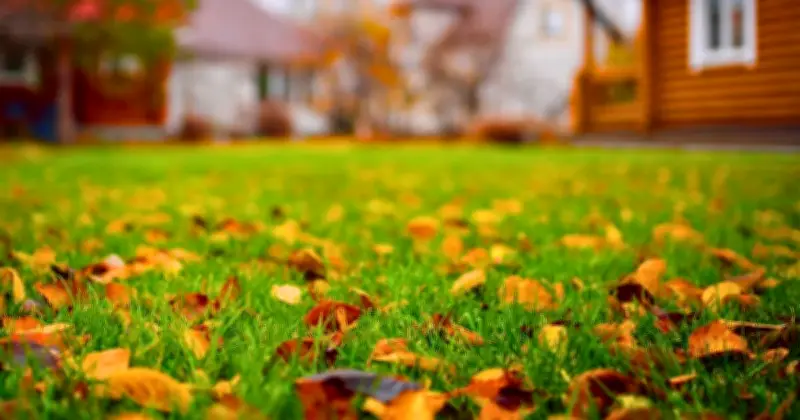
Gardeners are being urged to remove fallen leaves from their lawns this October, as the natural debris can choke the grass and encourage moss to spread if left to build up.
Lawns often look yellow or thin at this time of year because they are still recovering from the extreme heat, lack of water and heavy foot traffic of the summer months. However, autumn is typically when grass begins to thicken again, thanks to frequent rain and still-reasonable temperatures that help it grow quickly.
Why leaves damage grass
Jade Ivory from Green Thumb has shared that now is the time to clear fallen leaves, as they can cause significant damage if they clog up the lawn. She said: “Leaves left to accumulate on your lawn can smother the grass beneath, depriving it of vital sunlight and oxygen. This can lead to a weakened, patchy lawn come spring.”
Sunlight is essential for lawns at any time of year, but in autumn it is especially important for grass to receive as much light as possible to build up energy before the cold weather arrives. The sugars produced through photosynthesis help strengthen lawn roots, enabling them to store energy to withstand winter and absorb nutrients.
Risks of leaving leaves
If a lawn becomes covered in leaves, the grass can weaken, the roots may shrivel, and large areas can die off, resulting in bare patches the following spring. Moss also grows more readily in rainy weather, and if the grass is too weak to compete, spores can cause the lawn to become waterlogged, attracting disease and pests.
While a few scattered leaves are harmless, letting them pile up into a thick, wet layer will wear down a lawn and likely leave it damaged by next year.
Best way to clear leaves
To prevent problems, gardeners should rake up leaves or mow the lawn at least once a week. Raking removes them completely, while using a lawn mower to shred them into tiny pieces helps them decompose quickly and stops them harming the grass.
After heavy rain, leaves are more likely to become matted and block light and air, so it is worth checking the lawn then. Fallen leaves can also be added to a compost heap, where they turn into leaf mould—a highly nutritious mulch that can feed plants in spring.