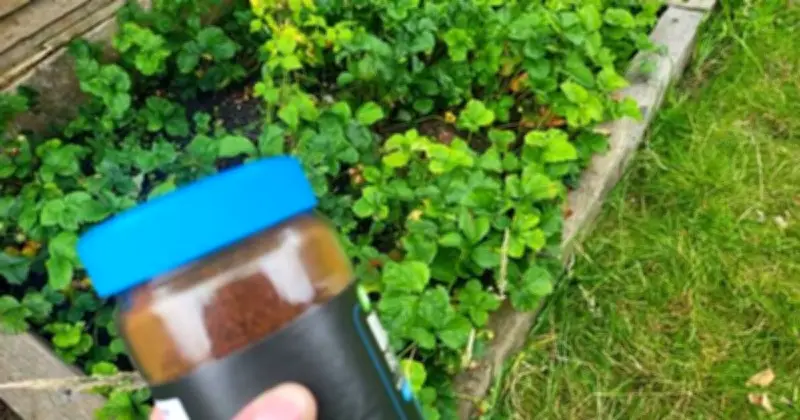
Gardeners across the UK are being urged to sprinkle coffee granules in their gardens this October. After a scorching hot summer with several heatwaves, conditions have turned much wetter despite being mild, creating the perfect environment for slugs and snails to thrive.
Why slugs and snails are a problem now
The pesky molluscs breed and lay eggs over the winter, meaning they will return in explosive numbers when gardeners try to grow fruit, vegetables, and flowers in 2027. The hungry molluscs can strip gardens of everything planted, chewing through strawberries, raspberries, tomato plants, potato foliage, and every type of flower.
As the weather turns wetter and nights draw longer, slugs and snails have optimum conditions to spread and lay eggs for next year. Gardeners are sharing a top tip to help control and repel slug populations before that happens: instant coffee.
How coffee works as a pest control
Caffeine is toxic to slugs and snails, and some garden experts swear by it as a method of pest control. Coffee grounds contain a chemical called alkaloid, which is poisonous to slugs. When slugs ingest coffee grounds, they suffer from severe dehydration and eventually die, according to gardening blog Tea and Coffee.
However, coffee is a very painful method for slugs to die, worse than salt, so gardeners are advised not to apply coffee grounds directly to any slugs or snails. Instead, sprinkle the coffee grounds onto the soil and around raised beds or pots during dry, clear weather. When it rains, the slugs will not cross the coffee, thereby protecting flowers and crops.
Impact on slug numbers and plants
In studies, coffee grounds were found to reduce slug and snail numbers by between 50 and 90 percent. The coffee will not have harmful effects on plants either; some studies have found that caffeine actually boosts plant growth.
For these reasons, slugs will avoid areas where coffee grounds have been sprinkled. While coffee grounds may not be the most effective way to keep slugs out of a garden, they can be a helpful tool in deterring these pests.