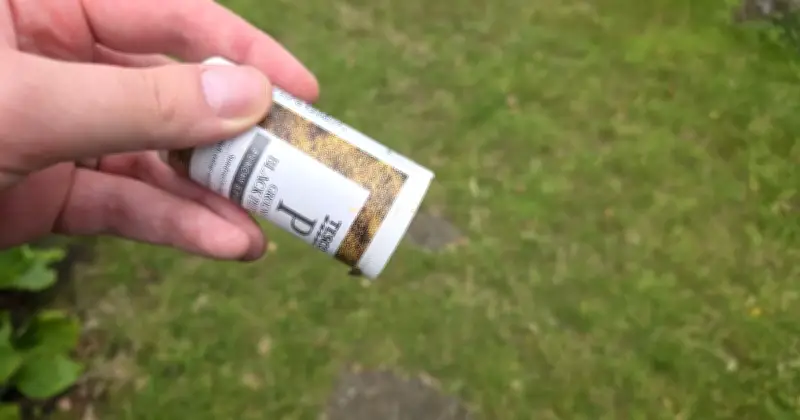
Gardeners are being urged to sprinkle black pepper in their gardens this November for two key reasons: it works as a natural pesticide and as an antibacterial agent, according to experts cited by the Daily Express.
Black pepper, a common kitchen seasoning, can be scattered across gardens to repel or kill pests such as sawflies and caterpillars. Unlike chemical pesticides, it does not contaminate groundwater, harm humans or other animals, and insects do not develop resistance to it, the experts at Weekand said.
Natural Pesticide and Antibacterial Benefits
Weekand experts said: "Black pepper is a jack-of-all-trades in the gardening world. Functioning as a natural pesticide, an antibacterial agent, and a protector against damaged caused by pets, black pepper might be just the solution you need for your gardening challenges."
They added that a study from the University of Ottawa found pepper was effective on insects such as pine sawflies and the eastern tent caterpillar, working within 24 hours and proving more effective than some synthetic pesticides.
The spice also has natural antibacterial and anti-fungal properties, making it useful against mould, disease and rot, particularly in greenhouses or areas with heavy watering and little open air. Mixing pepper into soil can hinder bacterial growth and, once absorbed by the plant, provide further protection.
Effectiveness Against Aphids
House Digest highlighted black pepper's power against aphids, noting that a 2021 study in the journal Molecules found black pepper oil achieved an 80% mortality rate against the green peach aphid, a pest known for its resilience.
The advice encourages gardeners to use black pepper both as a preventative measure and on plants already fighting bacterial infections.