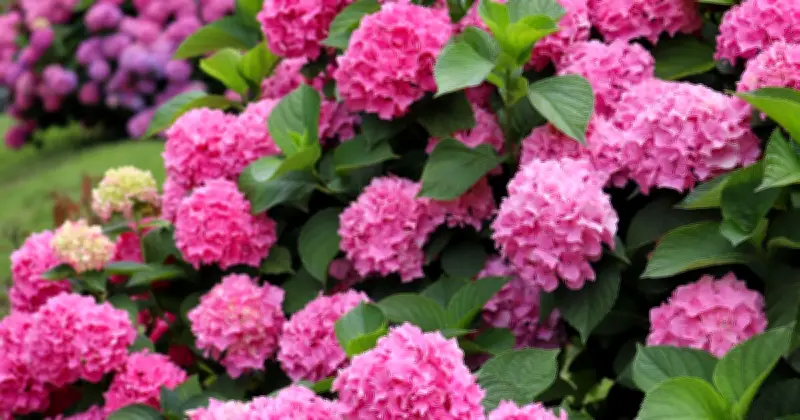
Gardening expert Ish Kamran has advised hydrangea owners to postpone pruning and trimming until next year, as leaving the dried flowerheads intact can help protect the plants during winter.
Hydrangeas typically stop producing flowers in late summer, leaving behind an abundance of crisp, dried flowerheads. While it may be tempting to remove them before winter, Kamran explained in a recent video that keeping them in place offers useful benefits through the colder months.
Why leaving flowers intact helps
By leaving the hydrangea flowers as they are, the plant gains a thermal protection layer. Kamran said: "It also works as a little bit of a thermal protection layer for your hydrangea, so I leave mine be. But if you want to cut them, wait until around about February-March time before that new growth comes."
He added: "As a result, you protect them over the winter, but then you've taken care of it, ready for new growth next year."
For those who do choose to prune, the advice is to snip just above a healthy leaf, or trim stems a little lower if the plant has grown too large.
Additional winter care methods
Other measures can help keep hydrangeas healthy over winter. Adding a generous layer of mulch around the base, using multipurpose compost, bark or shredded leaves, creates a thermal barrier between the plant and the cold climate. Gardening Express noted that autumn mulching can also maintain consistent soil moisture and deter weeds.
Experts advised holding off on feeding the plants, as they will wind down and eventually go dormant during winter. Soil should remain hydrated, though the recent turn in weather means extra watering is unlikely to be needed.
Deadheading may be necessary if strong autumn and winter winds snap flower stems, as excessive moisture could lead to infection. However, blooms that have not snapped do not need to be removed, as they too can create a thermal barrier for the rest of the plant.