October is the perfect time to get a head start on next year's gardening tasks, with cooler temperatures and damp conditions helping gardeners get their outdoor spaces ready for the months to come. As many plants begin to die back and growth slows down, it's an ideal opportunity to tackle one of the most aggravating garden problems before spring rolls around.
Weeds can rapidly take over flower beds, vegetable patches and patios, competing with plants for essential nutrients, water and space. While there are plenty of commercial weed killers available on the market, experts recommend trying a natural approach first.
The cardboard method
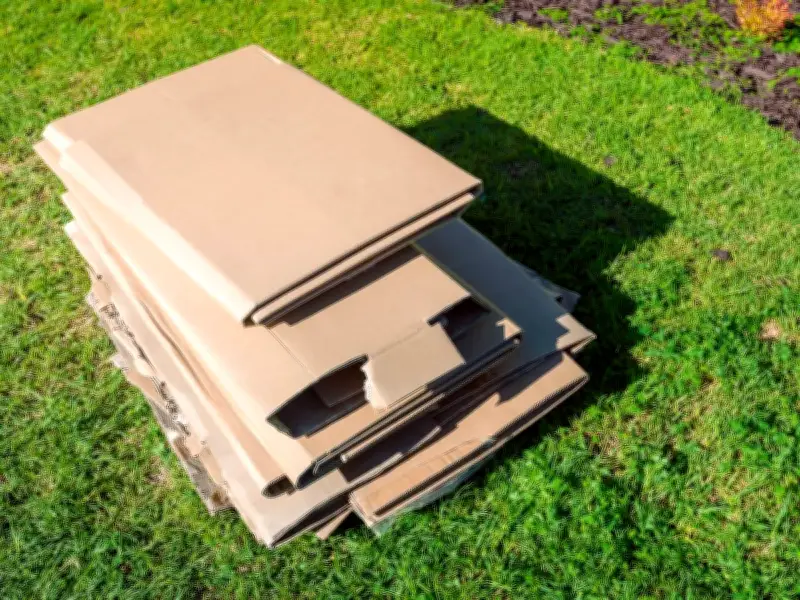
One simple way to help keep weeds under control is to lay plain cardboard over the soil. Rather than tossing it in the recycling bin, gardeners can repurpose it as a temporary weed-suppressing layer.
The experts at GardeningExpress.co.uk say cardboard is brilliant for weed suppression because it blocks sunlight, gradually weakening weeds. Cardboard is biodegradable once stickers and plastic tape are removed, making it harder for weeds to thrive.
Without adequate light, many existing weeds will struggle to survive, while the covering can also help stop weed seeds from germinating. It's worth noting that if it rains, the cardboard may need to be replaced.
It can also prevent water and nutrients from reaching other plants, so it's crucial that it be used only in areas where weeds need to be suppressed.
How to use cardboard to suppress weeds
The plant experts said: "Lay the cardboard flat on the ground, ensuring it completely covers the affected area and is pressed down securely to prevent any gaps."
If smaller pieces of cardboard are all that are at hand, overlap them by around 15cm to stop weeds creeping through the edges to reach the sunlight.
"Once the cardboard is in place, cover it with a layer of mulch or compost. This helps hold the cardboard down as well as improving its appearance and retaining moisture in the soil, allowing the cardboard to break down naturally."
According to the experts, after several months, the cardboard will start to decompose, enriching the soil as "brown" matter and contributing to a healthier growing environment for the rest of your garden.