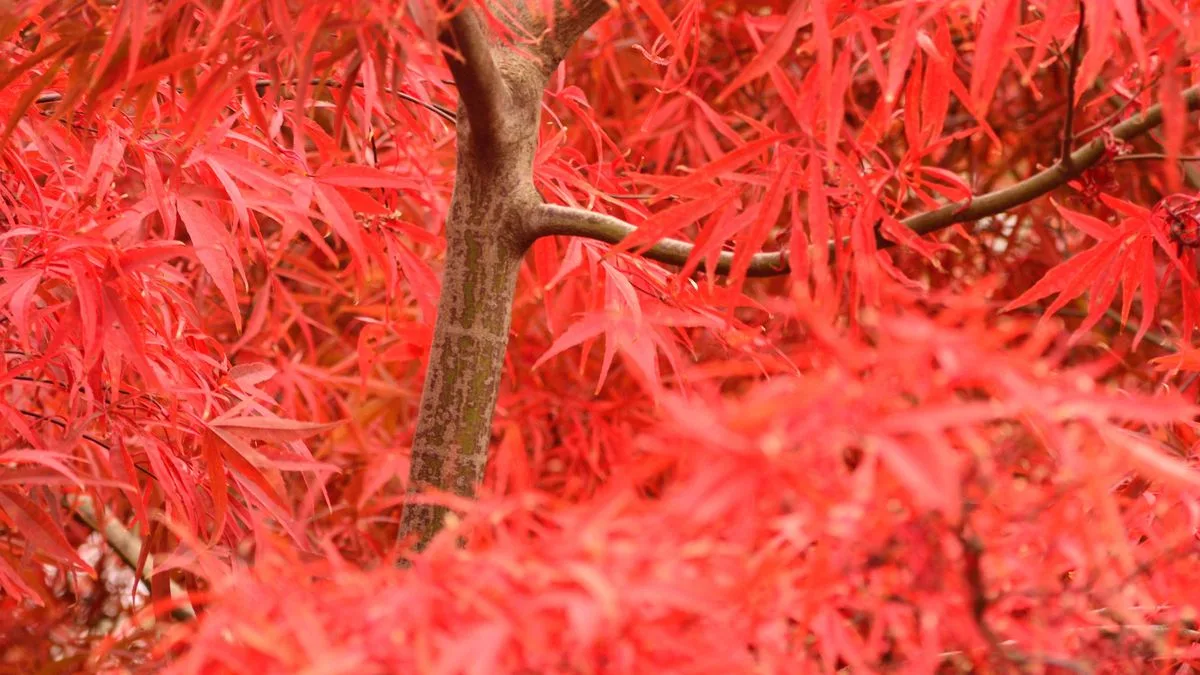
Japanese maples stand as some of the most visually captivating trees suitable for domestic gardens, renowned for their elegant forms and vibrant seasonal displays. However, horticultural experts emphasise a single vital winter task that must not be postponed until spring arrives.
The Essential Winter Pruning Window
Few ornamental trees can match the aesthetic appeal of Japanese maples. These prized specimens offer dynamic beauty throughout the year, with pink buds in spring, lush green foliage in summer, fiery autumn colours, and sculptural bare branches in winter. Whether nurturing a young sapling or maintaining a mature tree, proper care is paramount. During the colder months, one critical maintenance activity simply cannot wait for warmer seasons.
Why February Pruning Is Non-Negotiable
Specialists at Herter Nursery, a leading retailer of Japanese maples, assert that "now is the time" for "heavy pruning" to shape the tree and eliminate crossing or dead limbs. Pruning must occur while the tree is fully dormant in winter, as maples tend to leak sap from cuts made during other seasons. This sap loss can significantly weaken the tree's overall health and vitality.
Examining the bare branches without foliage provides a clear view of the tree's underlying structure, making it substantially easier to identify optimal cutting points. This visibility ensures precise pruning that enhances the tree's natural form.
Expert Techniques for Optimal Results
Andrew Stark, a gardening professional with over three decades of experience, recently shared his comprehensive winter pruning methodology on his Instagram platform @andrewstarkgardeningdesign. Having trained and trimmed maples for nearly ten years, Stark advocates a systematic approach.
"Each year they get better and better as a result of my ongoing trimming and pruning," Stark explained. His process begins with removing dead wood and weaker branches, followed by eliminating congested areas where branches have become overly dense.
"Lastly, I reduce the foliage pads by approximately 50% and tidy up. The finished trees have a structure with equalised strength in each foliage pad," he detailed. This method promotes balanced growth and improves the tree's resilience.
Seasons to Avoid for Major Pruning
Gardeners should strictly avoid substantial pruning during late spring and summer when Japanese maples are actively growing. Fresh growth emerging during these periods is particularly susceptible to damage from harsh weather conditions and increased vulnerability to pest infestations. Adhering to the winter pruning schedule ensures the tree remains robust and visually spectacular throughout the year.