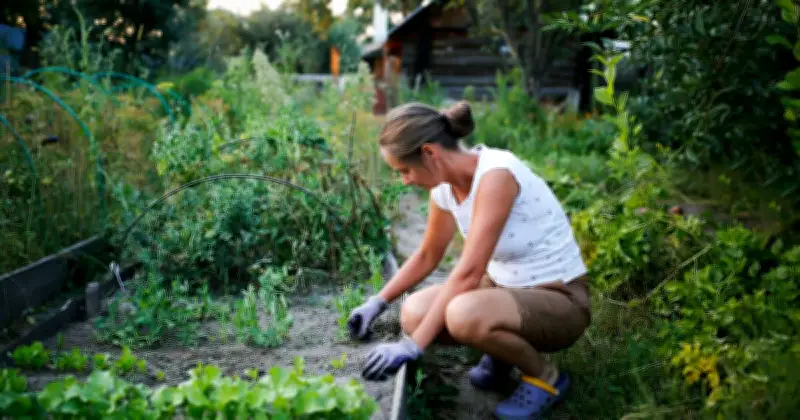
Autumn is a key time for gardeners to prepare flowerbeds and vegetable patches for the months ahead, with cooler weather and increased rainfall helping certain plants establish roots before winter. Bulbs planted now can produce colourful displays when spring arrives, while some vegetables can provide fresh produce during the colder months.
Gardening expert Fiona Jenkins, from MyJobQuote.co.uk, said autumn acts as a bridge between summer growth and spring renewal, giving bulbs, vegetables and perennial plants time to establish themselves. Choosing the right varieties is important, as some plants cope far better with cold weather than others.
Conditions and preparation
Autumn rain can help keep soil moist, although newly planted bulbs and seeds still need suitable drainage. Heavy, waterlogged soil can cause bulbs to rot, while prolonged dry spells may mean watering is still necessary.
Gardeners should check the instructions on seed packets and bulb labels, as planting times vary according to the variety, location and weather. With a little preparation now, flowerbeds can be ready to burst into colour next spring, while carefully chosen vegetables may provide produce beyond the traditional summer growing season.
Eight plants for the autumn garden
1. Asters – These daisy-like blooms come in shades of purple, pink and white, with many varieties flowering into autumn. They can provide a valuable late-season source of nectar for pollinators. Choose a suitable variety and give plants a sunny position with well-drained soil.
2. Chrysanthemums – These can brighten borders and containers with vibrant flowers during September and October. Hardy perennial varieties can return in subsequent years when grown in suitable conditions. Gardeners should check the variety's hardiness and protect less-established plants if severe frosts are forecast.
3. Sedum – Also known as stonecrop, this is a relatively low-maintenance plant. Many varieties tolerate dry conditions once established and produce clusters of small, star-shaped flowers. Their blooms can attract pollinators, while the seed heads may provide structure after flowering has finished. Plant in well-drained soil, as waterlogged ground can cause problems.
4. Tulips – Among the most popular bulbs to plant in autumn, they promise colourful flowers the following spring. Planting is generally best in late autumn, often from October into November. Bulbs should be placed in well-drained soil to reduce the risk of rotting. Gardeners can experiment with different colours and flowering times to create a display that develops throughout spring.
5. Crocuses – These low-growing flowers can be among the first signs of spring, bringing splashes of purple, yellow and white to lawns, borders and containers. Plant the bulbs in autumn in a sunny or lightly shaded spot with good drainage. They work particularly well in groups. Some varieties flower in autumn, so check the type before planting if you want flowers during the colder months.
6. Snowdrops – A familiar sight in late winter, often appearing when much of the garden is still bare. The bulbs are commonly planted in autumn, although snowdrops are often more successful when planted as green, actively growing plants after flowering. They prefer cool conditions and soil that retains some moisture without becoming waterlogged. Once established, they can gradually form larger clumps.
7. Carrots – In milder parts of the UK, some varieties can be sown in autumn for later harvesting, while protected growing spaces can extend the season. In colder or wetter areas, sowing times and protection will make a difference to success. Carrots grow best in loose, stone-free soil. Avoid freshly manured ground, which can encourage roots to fork, and keep the soil evenly moist while seeds germinate.
8. Spring onions – These grow relatively quickly and take up little space. Depending on the variety, sowing time and weather, some crops can be ready to harvest within around eight weeks. Hardiness varies, so gardeners should look for varieties suitable for autumn or overwintering and consider protection in areas prone to hard frosts. Sow in rows in well-drained soil and keep the area free of weeds while the seedlings establish.