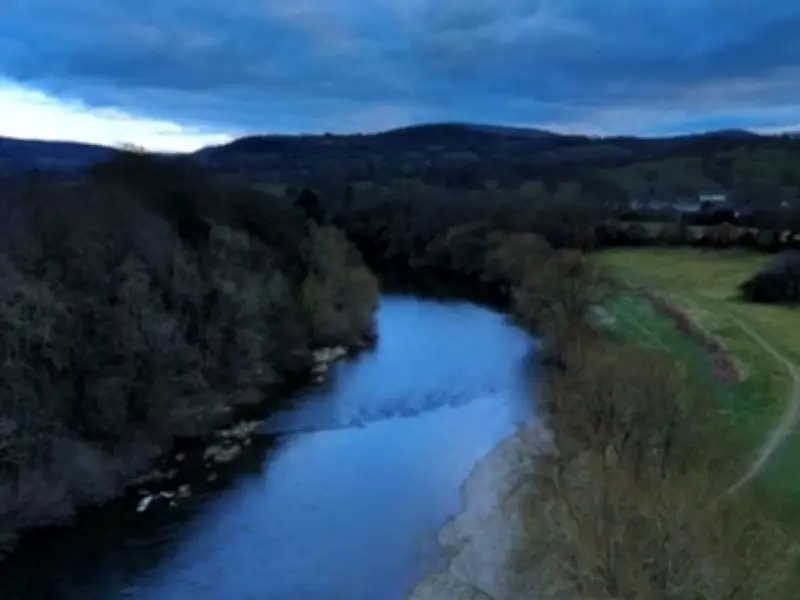
Volunteers at a popular wild swimming spot on the River Wye have reported the highest levels of E.coli they have ever detected. Testing conducted by Friends of the River Wye (FOTRW) at The Warren in Hay-on-Wye found E.coli levels of 3,088 colony-forming units (CFU) per 100ml of water. This figure is more than three times the 990 CFU threshold considered safe for bathing.
Official Bathing Status and Testing
The Warren, a site frequented by wild swimmers, families, and paddleboarders, features deep pools, shallow paddling areas, and rapids. It was granted official bathing water status by the Welsh Government in 2024 following a campaign led by FOTRW. The volunteer group announced on June 25 that their first test of the season showed very poor water quality, stating: "We are shocked to report that our first test has come back showing very poor water quality. We are surprised and saddened to see levels of E.coli that are typically only seen after heavy rain has washed pollutants into the river."
Volunteer Testing vs Official Monitoring
FOTRW plans to continue testing every Thursday throughout the bathing season, with results published the following day to inform potential swimmers. The group noted that Natural Resources Wales (NRW) monitoring can take at least a week before results are published, meaning their testing provides more immediate information. However, FOTRW stressed that it does not issue bathing advice but publishes findings as soon as available. Their results from last year's bathing season closely matched those published by NRW. Testing equipment and reagents are supplied by environmental campaign group River Action.
NRW Response
A spokesperson for Natural Resources Wales said its officers monitor designated bathing waters in line with strict UK and international standards. They explained: "Samples are analysed in our laboratory using robust methods to ensure accuracy and consistency, and this process means results are not available immediately. While we recognise that some volunteer and community groups are undertaking their own sampling, results obtained through different methods, locations, or timings are not directly comparable with our official bathing water assessments."
The spokesperson added that water quality can change rapidly due to rainfall, agricultural runoff, and other environmental conditions, meaning individual samples may not reflect longer-term trends. NRW continues to work with partners and local stakeholders to improve water quality in the River Wye and encourages river users to check the latest available information before entering the water.