The serene waters of Ladybower Reservoir in Derbyshire's Peak District conceal a poignant secret: the submerged remains of Derwent, a once-thriving village deliberately flooded during the Second World War. This picturesque expanse, now a beloved hiking destination, was created through a methodical demolition and submersion process in the 1940s to provide vital water for East Midlands industrial centres supporting the war effort.
The Deliberate Submersion of a Community
During the 1940s, the water board selected a remote section of the Derwent Valley for reservoir construction, impacting numerous residents. Locals from Derwent and the neighbouring village of Ashopton were relocated, with farms and smallholdings moved to safer areas. By 1945, the valley had been flooded, submerging nearly the entire village beneath what is now known as Ladybower Reservoir.
Final Days Before the Flood
Prior to the outbreak of war, Derwent had appeared as a permanent fixture in the moorlands, characterised by century-old structures and a tight-knit community. The village church conducted its final service for parishioners on March 17, 1943, before being submerged. Remnants of the church can be found scattered throughout Derby, with the bell now rehung at St Philip's Church in Chaddesden.
While most of the area was deliberately flooded, a small number of homes survive above the waterline. Reports indicate that five properties from the original village endure, including several farms and the former village hall.
Living Memory of a Lost Village
Mabel, a former Bamford resident who was 92 at the time of her interview with BBC Travel, shared memories of growing up nearby. "I may be the last person who remembers Ashopton and Derwent," she revealed, explaining that her school was located in Derwent, which she attended while the reservoir was being constructed.
The Village's Occasional Reappearance
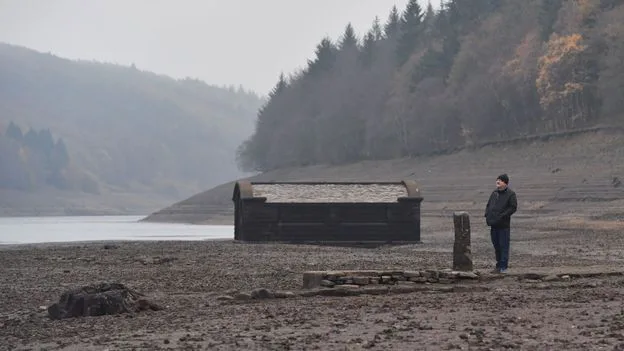
During periods of extreme heat or reduced water levels, the reservoir has receded, revealing haunting remnants of the submerged village. This phenomenon has been documented on several occasions, with the first significant instance occurring in 1976, leaving locals astounded.
The most recent and consequently most dramatic reappearance happened in 2018, when reservoir levels dropped dramatically. Visitors flocked from across the region to witness the extraordinary spectacle of the old structures – largely piles of rubble and bricks – emerging from the water.
Complications from Renewed Attention
The 2018 reappearance drew enormous crowds and created various complications. On November 3 that year, a man required mountain rescue assistance after becoming severely stuck in the dense mud surrounding the ruins of Derwent Hall. Additionally, due to the influx of visitors, the remnants were defaced with graffiti, prompting park rangers to discourage further visits as additional items were taken from the site.
Today, passers-by admiring the stunning scenery of Ladybower Reservoir typically have no idea what lies beneath its surface. The story of Derwent serves as a powerful reminder of the sacrifices made during wartime and the communities that vanished to support national efforts, their memory preserved only in occasional glimpses when water levels recede.