
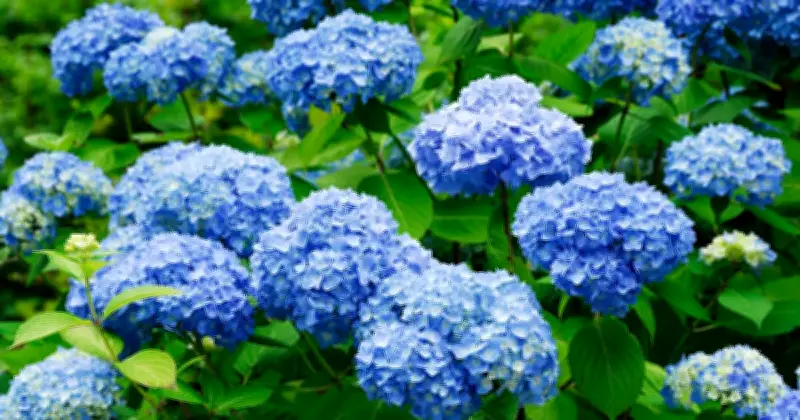
Gardeners seeking vibrant blue hydrangeas can use a common kitchen scrap—coffee grounds—to acidify the soil and encourage the coveted colour. Bigleaf hydrangeas (Hydrangea macrophylla) and mountain hydrangeas (Hydrangea serrata) can change flower colour based on soil pH, with acidic soil (pH 5.5 or lower) producing blue blooms and alkaline soil (pH 6.5 or higher) yielding pink ones.
Rarity of True Blue Flowers
True blue flowers are rare in nature, with fewer than 10% of flowering plants displaying this colour, making blue hydrangeas especially prized. The colour shift occurs due to aluminium availability in acidic soil.
According to Gardener's World: "Hydrangeas are robust, deciduous shrubs, and there are many blue-flowered cultivars. They can be grown in soils of varying pH levels, but acid soils will keep the flowers blue, while more alkaline soils can turn blooms pink."
How to Use Coffee Grounds
To encourage blue blooms, sprinkle coffee grounds around the base of the plant, avoiding direct contact with stems. Gently work the grounds into the soil with hands or a trowel to aid decomposition. This process requires patience, as results are not immediate.
Planting Tree advises: "Some people report success using coffee grounds to change the colour of their hydrangeas. Coffee grounds, in theory, carry enough acid to increase the acid in your soil to change your hydrangeas to blue hydrangeas. This method may work, and coffee grounds break down into the soil well, so there's no harm in trying it."
Additional Tips for Best Results
For a more reliable outcome, gardeners can combine coffee grounds with aluminium sulfate, a product specifically designed to lower soil pH. Composting coffee grounds before application can also improve soil health by adding nutrients.
The key is consistency and patience, as altering soil pH takes time. With proper care, hydrangeas can reward gardeners with striking blue blooms that stand out in any garden.




