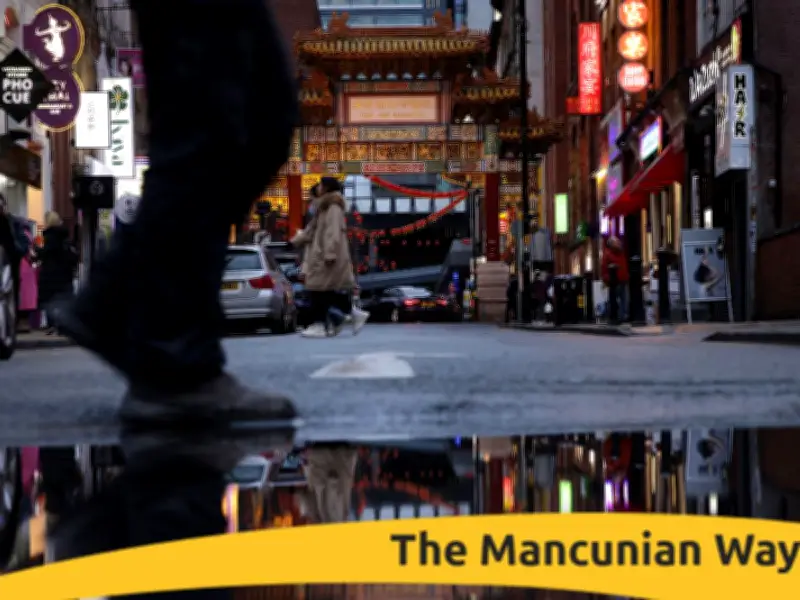
Manchester's Chinatown, a historic hub for Cantonese cuisine, is facing an existential crisis as traditional restaurants grapple with a perfect storm of challenges: tightened visa rules, soaring costs, and shifting consumer preferences. Kevin Lee, owner of Happy Seasons, a restaurant famed for its roast duck, warns that the industry is struggling to survive.
Staff Shortages and Visa Restrictions
Happy Seasons' head chef Huang spent 20 years in China honing his skills before moving to the UK. Preparing the glistening roast ducks that hang in the window takes two days of painstaking butchery, seasoning, drying, marinating, chilling, and roasting. However, finding skilled chefs capable of making such dishes is becoming increasingly difficult. Tightened visa rules make recruiting workers like Huang from China nearly impossible. Meanwhile, many second- and third-generation British Chinese are not interested in joining the hospitality industry, leaving a gap in expertise.
Rising Costs and Economic Pressures
Compounding the labour shortage are sharp increases in energy bills and produce costs, driven by the wars in Ukraine and the Middle East. Kevin Lee, who came to Manchester as a teenage immigrant from Hong Kong in the 1960s, has been sharing his concerns on the Happy Seasons Instagram account. “It’s a hard job, it’s long hours. It’s not 36 hours a week,” he says. “It feels like the government is making it harder to work hard.”
Changing Tastes and Competition
Warren Yeun, who runs Little Yang Sing, notes that changing tastes are also having a major impact. While Cantonese cuisine once dominated, diners now seek variety. “People want to try different things,” he says. “They want a bowl of pho for £14 that fills up their belly, they want fast food. They don’t want sit down for two or three course meal.” This shift has led to a proliferation of cafes, Vietnamese, Japanese ramen, sushi, spicy Sichuan, and Beijing-style restaurants in the area.
‘Running Out of Time’
Simon Li, from the UK Chinese Culinary Culture Association, told reporter Damon Wilkinson that unless the skills and costs crisis is addressed, traditional Chinese restaurants may be 'running out of time'. “Chinatown has been here for decades - it's a piece of Manchester,” he says. “And there is still that demand for it, of course there is, but we're definitely running out of time. The people running these restaurants are not getting any younger and there will come a time when we don't have enough skilled local chefs who can take up those posts. And if that happens we will lose tradition, we will lose heritage and we will lose a lot of our pride in the area.”
Hospitality VAT Campaign
Meanwhile, the broader hospitality industry is calling for a cut to the VAT rate from 20% to 10%, in line with European norms. Michelin chef Tom Kerridge launched a petition urging this change, which is seen as key to preventing further closures of beloved bars, restaurants, and pubs. What’s On writer Adam Maidment has been speaking to restaurateurs about trading in this tough market.
Stockport’s Underbanks and New Openings
Despite the challenges, new concepts are emerging. Stockport’s Underbanks has become a hub for innovative restaurants, bars, and bakeries. The latest addition is Dilly Deli, a one-stop shop for meat, cheese, and posh pantry staples, reviewed by What’s On Editor Jenna Campbell.
Controversy Over AI-Generated Pub Sign
In other news, Joseph Holt’s new pub, the Spinners Rest in Ancoats, has sparked controversy over its signage. The artwork, intended as a tribute to mill workers, is suspected to have been created using artificial intelligence. Social media users have criticised the brewery, which spent £1.8 million on the site, for potentially using AI. The pub opened on Monday at the former Shamrock, a traditional Irish boozer that had served pints for 210 years before closing.