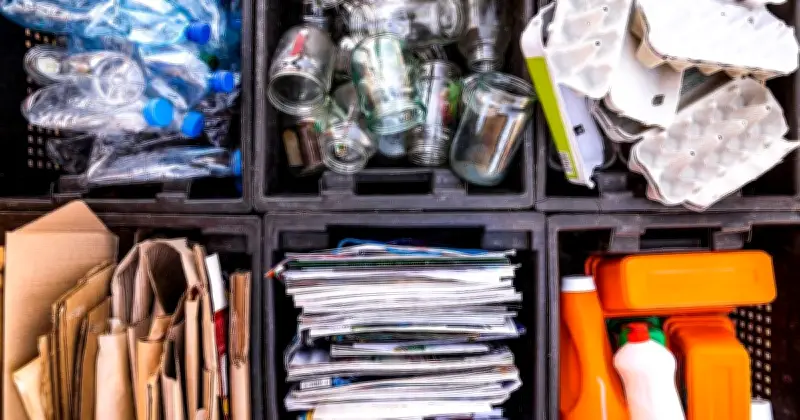
A refuse collector has identified four key types of plastic that households should prioritise for recycling, using the acronym BPTT: bottles, pots, tubs and trays. The subject continues to baffle many, with nearly nine in 10 Britons reportedly placing incorrect items in their recycling bins and just 9 per cent claiming they feel 'confident' they are doing it correctly.
Cost of Contamination Falls on Taxpayers
Toye Ogunleye, recycling manager at North London Waste Authority, highlighted that sorting through people's waste to remove non-recyclable items comes at a cost — one that ultimately falls on British taxpayers. He has streamlined the process by sharing a straightforward acronym to help people identify which plastic items to 'focus on' — and says we shouldn't 'worry' about everything else.
Recyclable materials encompass paper, plastics, glass, metals (including foil), and card. He told the i Paper: 'Focus on BPTT: bottles, pots, tubs and trays. Don't worry about anything outside of that or the four other categories.'
How to Prepare Items for Recycling
Simply peel off any film from these items, give them a rinse, and place them in the recycling bin. Items falling outside these categories cannot be placed in household recycling bins, including cling film, crisp packets, broken glass, aerosols, wood and ceramics, though many can be taken to a local recycling centre.
Fire Risk from Batteries and Electricals
Gary Oshunrinde, environmental manager for Veolia Camden, also spoke to the publication about items that should never be placed in recycling — one of which poses a fire risk. He stated: 'Batteries are still mistakenly thrown into recycling bins, where they can cause fires in vehicles and recycling centres. Veolia saw a fire occur at least once a day in its facilities and waste collection vehicles across the UK last year.'
Gary also pointed to electricals and vapes, which can't be put in your household bin, noting how explosions can occur when other items make contact with or crush them. It was also noted that paint should not be disposed of in this manner due to the fumes.
Plastic Shopping Bags: Not for Home Recycling
This follows a binman clarifying the correct method for disposing of plastic shopping bags. Someone enquired: 'Can someone settle a debate for me. Tesco bags, are they recyclable? Says on them they are, but it doesn't feel right.'
No1 Binman on TikTok, who boasts more than 170,000 followers, confirmed that they are recyclable, though the process isn't straightforward. He emphasised that they cannot go into household recycling bins.
It was recommended that carrier bags, which can jam equipment at recycling facilities, should be returned to the supermarket. However, the preferred option was said to be placing them in your general waste bin or reusing them.
Paper Bags: A Greener Alternative
Regarding paper bags, experts at Best Pac UK stated: 'The great news for the environment is that yes, paper bags can be recycled, but only if they're actually made from paper. Whilst most plastic bags, for example, are not recyclable, almost all types of paper bags can be recycled, helping to reduce the amount of plastic landfill sitting on the earth and polluting our oceans.'