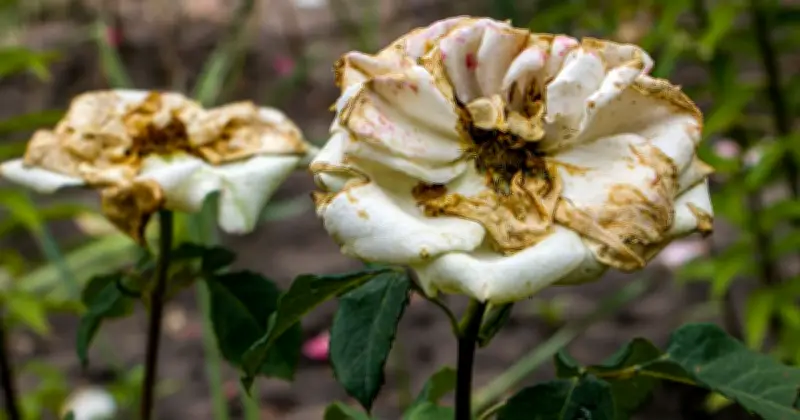
Autumn is the time when fallen leaves and fading growth reveal where disease has been active through the season. A little clearing now can help reduce problems next year, but a spotless garden isn’t the only goal. Healthy leaves, seedheads and stems provide shelter and food for wildlife, so concentrate efforts where disease is present.
Knowing what to remove
Some diseases survive on fallen plant material and can reinfect plants next year. Rose leaves affected by black spot, apple and pear leaves marked by scab, and quince leaves with leaf blight are worth gathering up rather than leaving beneath plants.
Dispose of badly affected material via your council green-waste collection. Commercial composting reaches higher temperatures than home compost heaps, helping destroy many disease organisms. Clean garden tools thoroughly after cutting diseased growth to avoid spreading infection.
Are all spotted leaves a problem?
Rust and powdery mildew can look dramatic by autumn, but they don’t always indicate an unhealthy plant. Pick off badly affected leaves and clear fallen material around vulnerable plants. Leaves affected by these problems can also be composted at home, provided they break down thoroughly.
Grey mould, or Botrytis, thrives in cool, damp conditions. Remove affected leaves, flowers and soft growth promptly, then improve airflow around crowded plants. Avoid late nitrogen-rich feeding, which could encourage soft growth vulnerable to autumn diseases.
Freshen up your greenhouse
Before settling tender plants under cover, remove fallen leaves, dead flowers, weeds and old compost from greenhouse floors and staging. Wash pots, trays and surfaces, and inspect plants before bringing them in. Good hygiene, ventilation and sensible spacing can help prevent problems over winter.
Leave the healthy material
Healthy fallen leaves don’t all need collecting. Leaves on borders and beneath shrubs provide habitat for invertebrates and improve soil. Rake leaves from lawns, paths and ponds, then use healthy material to make leaf mould. Collect leaves into a wire cage, perforated bin liner or dedicated leaf bin. Over time, they produce a dark, crumbly material for improving soil structure or using as mulch.
Build resilience for next year
Autumn is a good time to strengthen plants and soil. Give lawns an autumn feed low in nitrogen and higher in potassium, which will support roots and hardiness without encouraging unnecessary soft leaf growth during the winter. Add well-rotted compost or other organic matter to empty beds to improve soil structure and moisture balance, and consider starting a home compost bin.
A selective clean-up, combined with healthier soil and stronger plants, helps reduce problems naturally. It leaves the garden better prepared for winter while still providing food and shelter for wildlife.