Australian Dairy Crisis: Milk Prices Could Jump 20% Without Immediate Farmer Support
Australian Dairy Crisis: Milk Prices Could Jump 20%

Australian Dairy Industry Faces Critical Supply Squeeze as Costs Soar

Dairy prices across Australia could surge by a staggering twenty per cent unless milk payments to farmers are increased immediately, according to stark industry warnings. Soaring production costs are forcing dairy producers to cut output and sell their cows, creating a perfect storm that threatens both farm viability and household budgets.

Mounting Financial Pressure on Eastern Australian Farmers

Farmers throughout eastern Australia are experiencing unprecedented financial strain, with the cost of essential inputs like diesel and fertiliser skyrocketing. This crisis has been exacerbated by the closure of the Strait of Hormuz and ongoing Middle East conflicts, which have disrupted global supply chains and triggered severe shortages.

Fertiliser shortages are compounding the problem dramatically, while fuel surcharges are pushing up the price of nearly every farm input and increasing transport costs throughout the entire supply chain. Industry analysts confirm that this financial pressure is already manifesting on farms, with production cuts underway and herd numbers declining significantly.

Wide Pickt banner — collaborative shopping lists app for Telegram, phone mockup with grocery list

Projected Price Hikes for Everyday Dairy Products

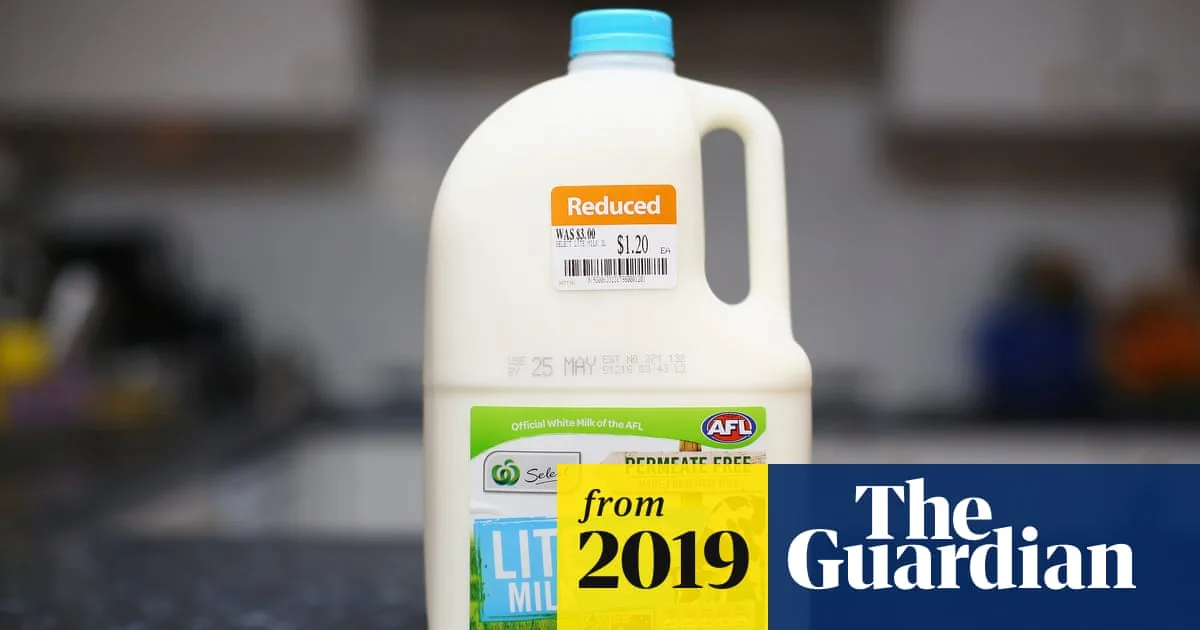
A twenty per cent increase in dairy prices would deliver a severe blow to Australian household budgets. Based on current retail averages:

  • Milk priced at $1.72 per litre would rise to approximately $2.06 per litre
  • This would push home-brand dairy products above the $2 mark for the first time in years
  • Cheese selling for $16 per kilogram would jump to about $19.20
  • Yoghurt priced at $5 per kilogram would increase to around $6

Dairy producers emphasise they cannot absorb current cost increases while remaining profitable. Industry groups warn that without urgent intervention, milk supply will decline sharply across the nation.

Industry Leaders Issue Dire Warnings

'A delay of even a few more weeks will lead to farmers selling a lot more cows to fund the extra costs for fertiliser, fuel and other products,' warned eastAUSmilk chief executive Eric Danzi in a statement on Wednesday. 'Dairy farmers need a price increase immediately before milk production plummets.'

eastAUSmilk is calling for industry-wide price increases to reflect the reality of rising costs. Mr Danzi stated that farmgate milk prices need to rise by at least ten cents per litre, potentially as much as fifteen cents per litre, to stabilise production levels.

'We need to see all processors lift the milk price paid to farmers by at least 10 cents per litre if not closer to 15 cents per litre,' he declared. Mr Danzi proposed that pricing should be reviewed again in June, with further increases considered in July if costs continue to escalate.

Rejecting Suggestions of Future Price Reductions

Mr Danzi dismissed suggestions that milk prices could later fall once energy and fertiliser markets stabilise. 'There has been some talk that milk prices may come down after the market for fertiliser and fuel returns to more normal levels,' he noted. 'This is completely nonsensical since the impacts will be felt for at least the next year regardless of what happens in the Middle East.'

Retail Response and Government Action

These warnings follow Woolworths' decision to lift the price paid to its farmer-owned suppliers in New South Wales and Queensland by ten cents per litre, backdated from April 1st. NSW dairy farmer Tim Bale, elected president of eastAUSmilk in 2026, called on all retailers and processors to follow this example immediately.

'We want to see all retailers and processors follow the lead set by Woolworths in lifting prices paid to dairy farmers by 10 cents a litre immediately,' Mr Bale insisted. 'Any that do not act over the next week will see their milk supply plummet over the coming months. There is no time to wait... prices must lift now before it is too late.'

Agriculture Minister Julie Collins confirmed the government is working to secure fertiliser supplies, acknowledging Australia's heavy reliance on imports through the Strait of Hormuz. 'Sixty per cent of Australia's usual supply of urea does come through the Strait of Hormuz,' Minister Collins told Sky News on Monday.

Pickt after-article banner — collaborative shopping lists app with family illustration

She confirmed the establishment of a cross-government fertiliser working group and stated there is currently enough fertiliser available for the initial planting season. 'But this is about longer-term supplies because of the unpredictability,' Collins explained, adding that the government is engaged in ongoing discussions to secure future supply chains.

Broader Economic Implications

Cost pressures are also impacting other sectors, including the construction industry. A leaked email has warned builders of plastic price rises up to thirty-six per cent, driven by higher oil prices and freight costs following supply disruptions through the Strait of Hormuz.

Industry leaders caution that without coordinated action across agriculture and supply chains, Australian consumers will increasingly feel the price shock at supermarket checkouts. The dairy crisis represents a microcosm of broader economic challenges facing Australian producers and households alike.