
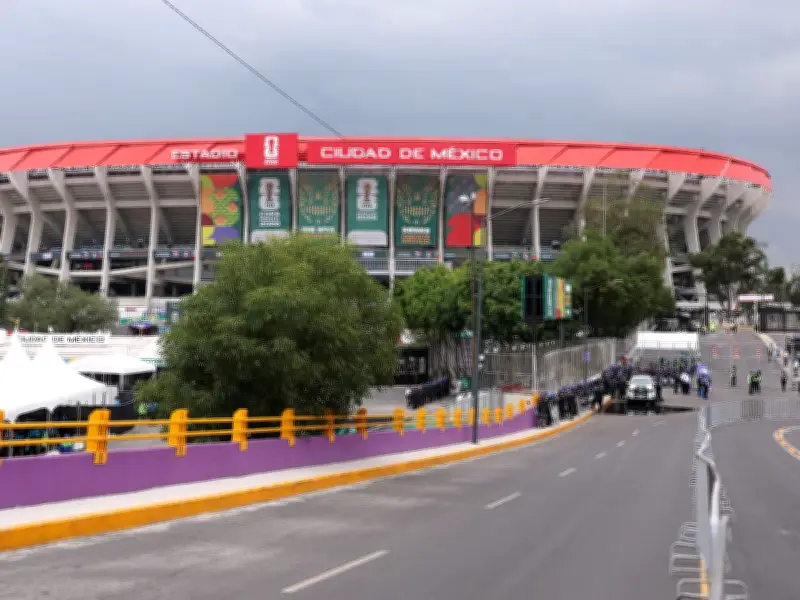
The World Cup has sparked an 'unprecedented demand' for prostitutes as fans travel to matches, raising fears of a surge in sex trafficking, particularly in Mexico where the venue for England's upcoming match is just two hours from the 'sex-trafficking capital of the world,' according to human rights expert Tatiana Kotlyarenko.
Proximity to Tenancingo Raises Alarm
The Estadio Azteca in Mexico City is located approximately two hours from Tenancingo, a town notorious for sex trafficking. Kotlyarenko, an international human rights expert, told the Sun that criminal groups are running large-scale sexual exploitation operations along the US-Mexico border during the tournament. She stated: 'I have visited both the US–Mexico border and locations across the border in Mexico and what I witnessed was deeply disturbing.'
Kotlyarenko noted that many venues operating as strip clubs effectively function as brothels, with sexual services available for an additional fee. Similar establishments exist in the United States, offering extra services in VIP rooms.
Increased Demand During Major Events
Kotlyarenko warned that events like the World Cup attract large numbers of male travelers, creating conditions that increase demand for commercial sexual exploitation. 'Criminal networks or individual traffickers seek to capitalise on these circumstances by organising the movement of women and minors between locations or bringing them to host cities to meet demand,' she said.
Since the tournament began, sex trafficking cases have already spiked. On June 23, police arrested six people in connection with human trafficking during an operation dubbed 'Operation Red Card.' NBC reported that Rhode Island Police targeted individuals suspected of engaging in commercial sex acts and child exploitation during the World Cup.
Arrests and Ongoing Concerns
One suspect allegedly sent an undercover officer explicit messages, including 'u definitely 15' and 'U cab br ur sugar daddy.' In Miami, another 50 people were arrested for responding to online ads promoting sex with children. Kotlyarenko described these cases as potentially 'the tip of the iceberg,' emphasizing that human trafficking associated with major sporting events affects both international victims and individuals trafficked within the United States, including children.
She added: 'Large sporting events often attract predominantly male crowds, with many attendees gathering to celebrate, socialise and consume alcohol. This environment can contribute to increased demand for commercial sexual exploitation and related forms of exploitation. As demand rises, advertising online and activity across the sex industry often expands as well, including strip clubs, prostitution, and human trafficking.'
Tenancingo: A Notorious Hub
The town of Tenancingo has gained infamy as a sex-trafficking hub. Kotlyarenko described an 'atmosphere of fear, violence and lawlessness' during her visits, with widespread abuse and degradation of women and girls. 'What struck me most was the apparent dehumanisation of victims. Many young girls and women seemed to be living in desperate circumstances, treated as commodities rather than as people,' she said. Trafficked women are often viewed as disposable objects by their exploiters.
Before the tournament, there were already fears that Tenancingo's reputation would attract fans seeking commercial sex. The World Cup has amplified these concerns, with experts calling for heightened vigilance and enforcement to combat exploitation.




