
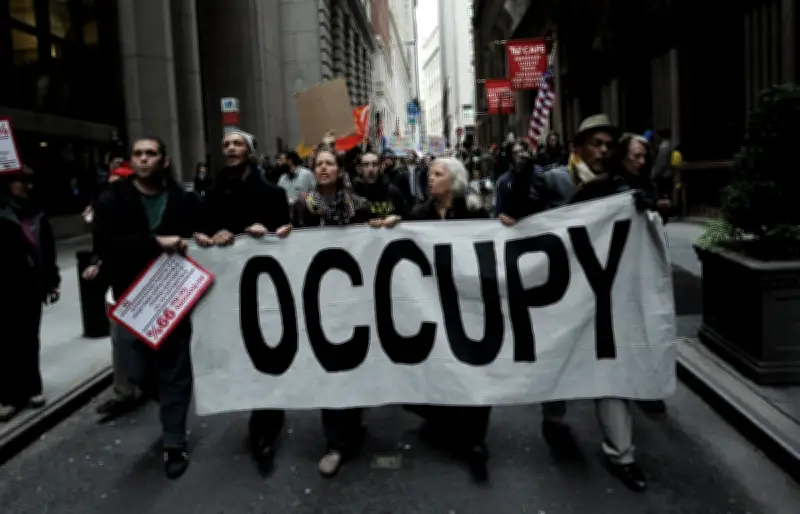
Yotam Marom, a key organizer of Occupy Wall Street, reflects on the movement's rise and fall in his new book For Louder Days: Reaching Beyond a Politics of Powerlessness. He argues that while Occupy transformed American politics by introducing the 99% versus 1% narrative and paving the way for figures like Bernie Sanders and Zohran Mamdani, it ultimately faltered due to a 'politics of powerlessness' that shied away from building coherent strategy.
What is the politics of powerlessness?
Marom defines the politics of powerlessness as a set of ideas and behaviors that turn movements inward, away from opponents and the public, and often against each other. It manifests as fear of leaders, narrow identity politics, and a focus on protecting insiders rather than welcoming millions. He traces this to despair and fear of powerful adversaries, leading movements to prioritize being right over winning.
Lessons from Occupy and beyond
Marom highlights a direct line from Occupy to today's leftist electoral gains, such as the DSA slate in New York. However, he cautions against overstating progress, noting that the far right controls the federal government and climate change looms. He emphasizes that organizations like CAAAV, which made tough strategic choices to focus on winnable campaigns, demonstrate the discipline needed to build power.
Marom calls for building institutions that can mount electoral challenges, wage campaigns against landlords and bosses, and create spaces for political education. He stresses that meaningful change requires more than election cycles—it demands sustained movement infrastructure.




