
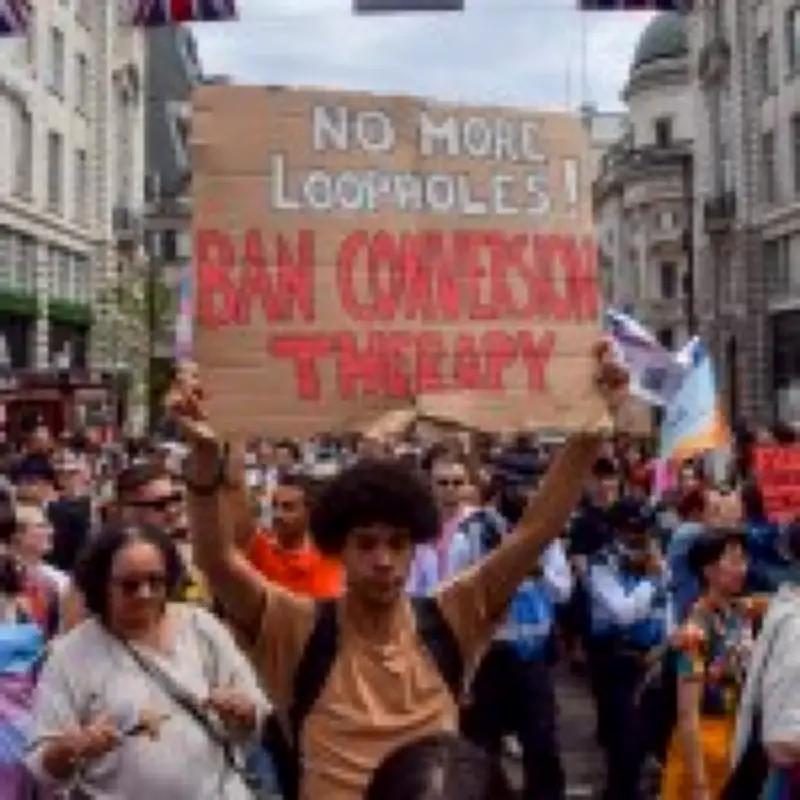
The UK government has published a draft bill to ban so-called conversion practices aimed at changing a person's sexuality or gender identity. The move represents a significant step toward ending what critics describe as abusive and discredited methods that can range from prayer to physical violence.
Key Provisions of the Draft Bill
The proposed legislation, which would apply to England and Wales, makes it a criminal offence to carry out abusive conversion practices that cause serious harm, alarm, or distress to the victim. It also introduces an offence of encouraging or assisting such practices performed outside England and Wales. Those found guilty could face up to five years in prison, an unlimited fine, or both.
Long-Awaited Action
The ban was first proposed under Theresa May's Conservative government but was repeatedly delayed and eventually dropped from the King's Speech under Rishi Sunak. Labour's 2024 manifesto promised a full trans-inclusive ban while protecting the freedom to explore sexual orientation and gender identity. Saba Ali, Chair of the Ban Conversion Practices Coalition, called the move a 'significant and welcome step forward' but also 'long overdue'. She added: 'This moment belongs to a movement. Over eighty coalition organisations, countless survivors, clinicians, faith leaders, Parliamentarians and campaigners have refused to let this be forgotten. Today proves what we achieve when we stand together.'
Exemptions and Safeguards
The draft bill includes exemptions for legitimate healthcare and allows for 'free and open conversations about sexuality and transgender identity'. It sets a 'high bar for criminality', targeting only acts that are abusive, seek to change someone's identity, and cause real harm. The government said this ensures it will not become illegal to question someone's identity or have explorative conversations.
Next Steps
Publication of the draft bill allows for wider consultation before it formally begins the parliamentary process. This means a longer wait for it to take effect, a decision the government says is due to the 'complex legal area' and its desire to 'build a genuine consensus around a ban'. Labour MP Kate Osborne previously expressed confidence that ministers had 'every intention of pushing this through as soon as possible'. Equalities Minister Olivia Bailey stated: 'Conversion practices are driven by the false belief that being LGBT+ is shameful and can be forcibly changed. No-one should face abuse just because of who they are. That's why we are delivering on our manifesto commitment to ban abusive conversion practices.'




