Netflix's new adaptation of Little House on the Prairie attempts to reckon with the racist legacy of Laura Ingalls Wilder's beloved children's series, but the result is a mixed bag that ultimately undermines its own central characters. The show, which premiered on July 8, 2026, 90 years after the books were first published and 43 years after the original TV adaptation, follows the Ingalls family as they illegally settle on Osage land in Kansas.
A 21st-Century Spin on a Problematic Classic
The semi-autobiographical story, based on Wilder's childhood memories, has been a staple of children's literature for decades, connecting generations with themes of life, love, and loss. However, the original books also contain deeply racist sentiments, including the line 'the only good Indian is a dead Indian' and a refusal to acknowledge Indigenous people as human. The protagonist Charles Ingalls himself says: 'When white settlers come into a country, the Indians have to move on.'
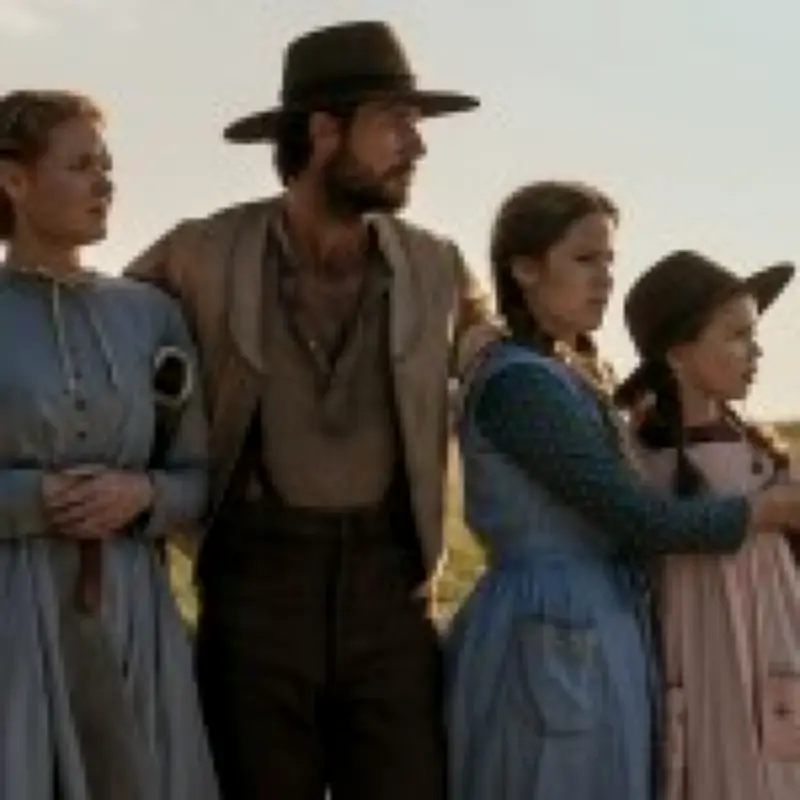
Netflix has been forced to reckon with this problematic legacy, as the central family – the characters viewers are meant to root for – embody the sensibilities of early American settlers. Taking up the mantle from Michael Landon, Australian actor Luke Bracey plays family patriarch Charles, joined by Crosby Fitzgerald as wife Caroline, Alice Halsey as daughter Laura, and Skywalker Hughes as daughter Mary.
Performances and Period Drama Elements
The series serves as a time capsule for the attitudes of the period, which should be preserved, but it makes navigating a compelling modern adaptation for a new generation a complete minefield. There is a nice chemistry between the family, even if at times it feels like 21st-century people cosplaying. All four lead actors put on solid performances, with Laura as the fiery heart of the show.
The eight-episode series, each approximately 55 minutes long, attempts to grapple with the bigotry of the time while offering a forward-thinking take, similar to recent adaptations like Anne with an E, The Gilded Age, and Dickinson. However, the new Little House on the Prairie achieves mixed success, leaving the viewer with the existential question: What are we trying to do here?
Osage Representation: The Highlight of the Show
The two stars of this review are almost entirely dedicated to the storyline involving the Mitchell family and the Osage – a storyline created especially for this new adaptation. In the original book series and TV show, the Osage operated as furniture, collateral damage, almost entirely stereotyped. This time around, the producers make a real effort to correct this, casting the Mitchell family – William (Meegwun Fairbrother), White Sun (Alyssa Wapanatâhk), and Good Eagle (Wren Zhawenim Gotts) – as a direct parallel to the Ingalls.
Fairbrother has shared the immense research that went into honouring Osage culture – especially its language – for the show, and it shines through. One episode features a poignant moment when Little Puma (Xander Cole) declares: 'Leaving this land means we leave our ancestors, our history, and a part of ourselves behind.' The reviewer was nearly brought to tears at the end of an episode when negotiations around the land treaty reached a climax.
Tonal Shifts and Unresolved Tensions
Especially during a time when the brutal consequences of the Great American Project are being seen as it celebrates its 250th anniversary under President Trump, there is something eerily unsettling about the show's attempt to make viewers sympathise with the Ingalls despite the horrors it portrays. As Caroline tells Charles: 'I like who we are here. We came here to be the best versions of ourselves, and we did that.' Yet, the reviewer cannot invest in her words without hearing the haunting cries of the Osage as they sang their people's mourning song.
The show invites viewers to see the full picture, but then can't handle the weight of it. The tonal shifts are all over the place, oscillating between a tense political drama about the future of the land and wholesome Christmas episodes blanketed in snow. By committing to meaningful representation, Netflix has undermined the very characters viewers should be getting behind. The reviewer feels that if they wanted to try this version of Little House on the Prairie, they should have taken it all the way.
Verdict: A Flawed but Powerful Attempt
There is a lot of powerful storytelling in this new adaptation, but Little House on the Prairie was the wrong vehicle to tell it with. The reviewer questions why the producers didn't use the books as inspiration to focus entirely on the Osage, with the Ingalls as side characters, or create an entirely new show. The verdict is that you can't have your cake and eat it. There is no easy answer when it comes to handling modern adaptations of problematic period texts. Bringing a fleshed-out and nuanced approach that amplifies marginalised voices historically is vital, but it means accepting that the heroes of childhood might actually be the villains.
Little House on the Prairie is available to stream on Netflix now.