Liverpool 8 once boasted the highest concentration of night clubs in the city, serving as a melting pot of cultures from the 1940s through the 1990s. However, this vibrant scene is increasingly being overlooked in Liverpool's cultural narrative, according to local playwright Maria Paul.
The Rise of L8's Club Scene
Emerging in the 1940s as a response to racist white-only policies in many city centre venues, Liverpool 8 became a haven for Commonwealth immigrants and black merchant seamen. By the 1960s, clubs like the Yoruba, Igbo, Nigerian, and Sierra Leone operated late into the night, hosting live music and serving alcohol. These venues attracted legendary musicians such as Nat King Cole, Dizzy Gillespie, and Coleman Hawkins.
The clubs continued to thrive through the 1970s and 1980s, providing a consistent late-night option for the local community. However, changing licensing laws and gentrification in the 1990s led to the closure of many of these iconic venues.
Memories of a Vibrant Community
Maria Paul, who grew up on Parliament Street in the 1980s, recalls the clubs as a central part of her childhood. She told the ECHO: 'I knew that every Monday my mum, Lily, would go to the Nigerian Club. I would watch her getting dressed to go because every Monday we would be like "Mum, bring us a packet of crisps back," and she never did. We would wait up until one o'clock for this packet of crisps.'
The 53-year-old playwright added: 'I was only saying this to my daughter, Anais, the other day about the energy that was here because of all the music and all the different clubs. It is hard to describe. It was just so vibrant because there was music everywhere. I mean, literally, even during the day, you could hear music coming from everywhere, and different types of music coming from everybody's houses, especially in the summer.'
Sneaking into the Clubs
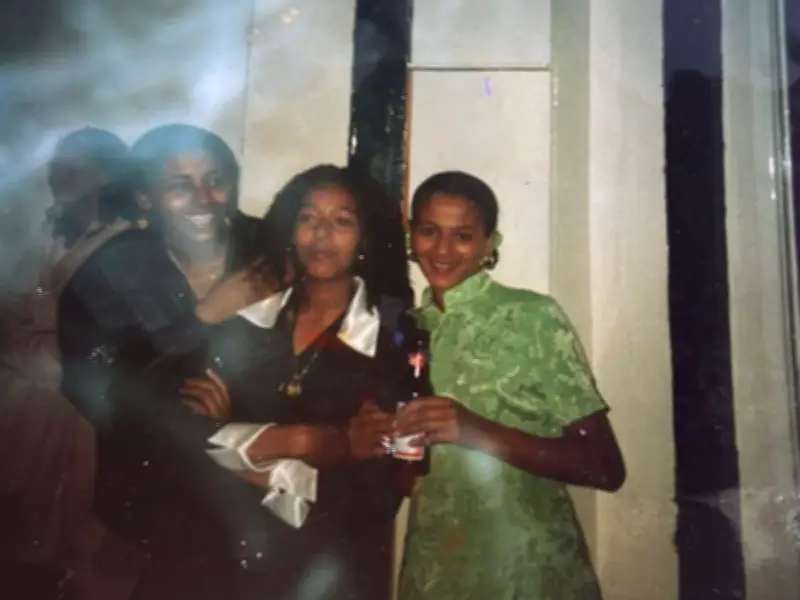
By age 15, Maria and her friends were keen to experience the clubs firsthand. After 'sneaking out' to go to the city centre earlier in the evening, they would return to L8 by midnight when the clubs were just getting busy. She described the Igbo club: 'You would have a lot of hustle and bustle. As soon as you go in, there was a guy called John, and the first thing he would say is "give me a pound". And then you would have Nigerian food getting cooked in the back.'
'You'd go downstairs and literally the sweat would be dripping off the ceiling, and you would have an MC. It wasn't a bar like the way you have bars now, it was just like a table and people would most probably buy drinks from the shops or the off-licenses. You paid two pound, three pound for a drink, and there would be somebody just sitting behind this table serving you drinks, so it was very makeshift but very community [orientated].'
Written Out of History
Maria believes the L8 club scene is often sidelined in Liverpool's cultural history. She said: 'To be honest, it is kind of being written out of Liverpool's history, really. Well, I mean, not totally, but when you are looking on it from a very kind of tourist perspective, you know, especially when living around here, you have got everything is the Beatles.'
She added: 'It is just bizarre for people who grew up here, all we see is the Beatles. Even the well-known bands, like the Harlem's and the Real Thing, the black bands that came out of Liverpool 8, they are not really celebrated as much as they should be.'
L8 Today: Community Spirit Endures
Now living on Princes Avenue, just a stone's throw from her childhood home, Maria has contributed to Liverpool's cultural scene as former deputy director of multicultural arts organization the Black-E and author of the 2020 play Sweet Mother. While she misses the past vibrancy, she feels L8 retains its strong sense of community.
She said: 'I think when I'm reflecting and talking about it now, I just realise how special it was because of how strong the community was. It makes me a little bit sad because it's changed so much around here. I still live on Princess Avenue and I'm sitting here looking out my window and it has changed so much.'
'It's still culturally diverse, and it's still one of the special places that I do believe has held onto their culture and their community spirit with all its diversity. We've got so many things, we've got Granby Market, that's very culturally diverse, and we've got the Methodist Centre across the road, we've got all these different pockets of community centres, and we do really work together.'