One Battle After Another's Oscar Victory: A Triumph for Paul Thomas Anderson
When the favourite wins, there is often a lack of the smug gratification that accompanies an against-the-odds victory. Yet, seeing One Battle After Another claim the Best Picture Oscar on Sunday felt profoundly right. For once, the Academy made a choice that resonated with both critical acclaim and cinematic merit, avoiding the pitfalls of industry politics.
A Powerhouse of a Winner
On its face, One Battle After Another stands as a powerhouse Oscar winner. The film follows a washed-up revolutionary, portrayed by Leonardo DiCaprio, on the run with his disbelieving daughter, played by Chase Infiniti. It unfolds like a magician's endless string of handkerchiefs, with subplots of wildly different tones knotted together by Paul Thomas Anderson's distinctive cinematic sensibility and Jonny Greenwood's manic score.
While bookies had it pegged as the safe bet, this is no film that plays it safe. Its mood is so disparate and shifting that pinning it down is a challenge: is it a father-daughter epic, a political satire, a screwball comedy, or an action thriller? The answer is all of the above and more, making its $130 million budget a minor miracle for such an odd and expensive project.

Stellar Performances and Technical Brilliance
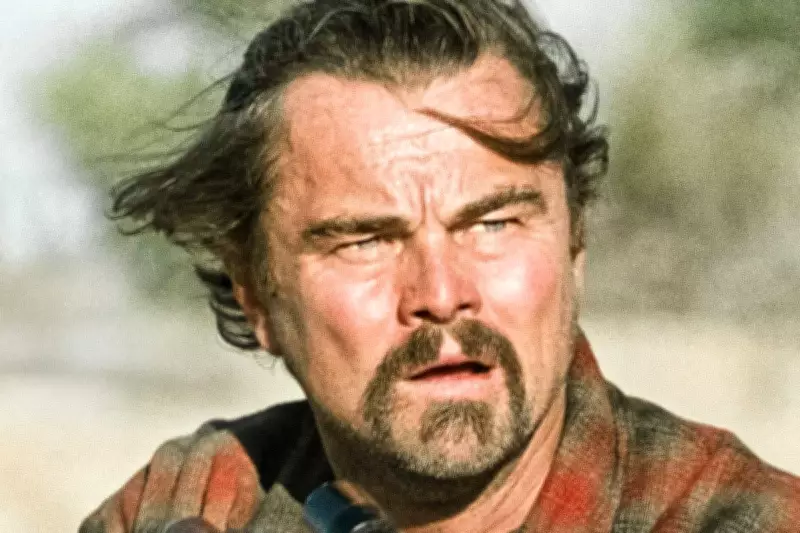
DiCaprio delivers a top-form performance as the raggedy, tartan robe-wearing ex-revolutionary "Bob Ferguson," whose drug-addled mind struggles to recall a life-saving password. The supporting cast fortifies the film with watermark performances: Teyana Taylor as Bob's erratic ex, Benicio del Toro as his fiercest ally, and Sean Penn as his self-loathing pursuer, with Penn ultimately winning Best Supporting Actor.
Regina Hall's transformative turn from comedic roles to a dramatic portrayal of a long-standing revolutionary is a standout, while Chase Infiniti's superb debut as Bob's teenage daughter, Willa, showcases clear-eyed talent. The action set pieces, shot on location in California with a vintage VistaVision camera, add raw, gritty texture, making the car chase scenes masterful and tense.
A Deserved Win for an Auteur
This marks the first Best Picture win for Anderson, the maker of masterpieces like Magnolia and There Will Be Blood. Unlike Martin Scorsese's 2007 win for The Departed, which some viewed as a retroactive gesture, Anderson's victory for One Battle After Another is wholly warranted. The film, loosely based on Thomas Pynchon's 1990 satire Vineland, defies easy categorization, blending genres with audacious flair.
The Broader Impact of Oscar Recognition
Winning an Oscar can shape a director's future work, as seen with Steven Spielberg's pursuit of validation through weightier fare after early snubs. In Anderson's case, this win is a net positive, though One Battle After Another wasn't crafted in response to past oversights. It's simply a triumph that celebrates cinematic innovation and risk-taking, offering hope for more ambitious projects in the industry.
Ultimately, One Battle After Another's Oscar victory is a testament to Anderson's vision and the film's bold execution, proving that sometimes, the favourite truly deserves the crown.