Malcolm in the Middle Reboot Loses Original's Political Edge in Nostalgia Wave
The recent Disney+ revival of the hit 2000s sitcom Malcolm in the Middle, titled Life’s Still Unfair, has sparked disappointment among fans and critics alike. The four-part miniseries, which debuted last week, largely abandons the political subversiveness and social realism that made the original series a cult classic.
A Shift from Social Realism to Sanitised Nostalgia
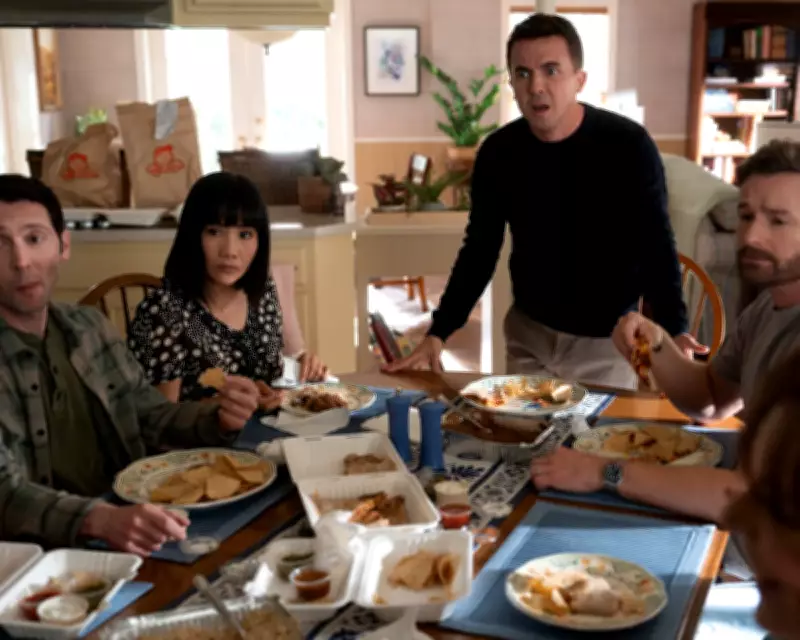
In the original show, which aired from 2000 to 2006, the central family's financial struggles were a key driver of the drama. Episodes frequently depicted parents Hal and Lois worrying over bills at their messy kitchen table, with storylines tackling issues like workplace unionisation and the crippling costs of health insurance. The finale even saw Malcolm attending Harvard only by working as a university janitor to afford tuition.
The reboot, however, presents a starkly different world. Characters now appear financially comfortable, living in clean, well-appointed homes. Social and economic pressures, which are arguably more intense today, are conspicuously absent. Aside from minor references to budgetary constraints for a reunion party or disliking the police, the "real world" intrusions that gave the original its bite are largely missing.

The Plot of the Revival
The new miniseries reunites much of the original cast, including Frankie Muniz as Malcolm, Bryan Cranston as Hal, and Jane Kaczmarek as Lois. The plot centres on Malcolm, who now runs a successful charity and has deliberately distanced himself from his chaotic family. They are unaware he has a teenage daughter, as he fears their anarchic influence on her.
The story is propelled forward when Hal and Lois discover they have a grandchild, leading to a family reunion at their 40th wedding anniversary celebration—an event that, true to form, descends into comedic disaster.
Part of a Broader Trend in Streaming
Malcolm in the Middle is far from alone in receiving the reboot treatment. Recent years have seen revivals of shows like Scrubs on Disney+, the remake Bel-Air on Now TV, and the return of Frasier on Paramount+. Many of these productions offer superficial nods to contemporary issues—such as characters being "woke" or anxious—while primarily serving as "comfort viewing" designed to cater to an ageing audience's nostalgia.
This trend reflects what cultural critic Simon Reynolds termed "retromania" over a decade ago, but it has intensified in the current streaming era. The consolidation of corporate power, exemplified by Disney's 2019 merger with Fox—which originally aired Malcolm in the Middle—has created media giants that aggressively target specific demographics with recycled content.
The Cost of Nostalgia
While there is a voyeuristic pleasure in seeing how the cast has aged over two decades, the reboot itself has little new to say. In an era marked by heightened wealth inequality, corporate consolidation, and faded political movements, the show's avoidance of these themes feels like a missed opportunity. It opts instead for a warm, familiar glow that prioritises nostalgia over relevance.
Ultimately, Malcolm in the Middle: Life’s Still Unfair serves as a case study in how the nostalgia industry can strip beloved properties of their original spirit. As streamers continue to mine the past for safe, demographic-targeted content, audiences are left with reboots that look back wistfully rather than engaging critically with the present or future.