Macdo Review: Mexican Camcorder Drama Exposes Family Dysfunction
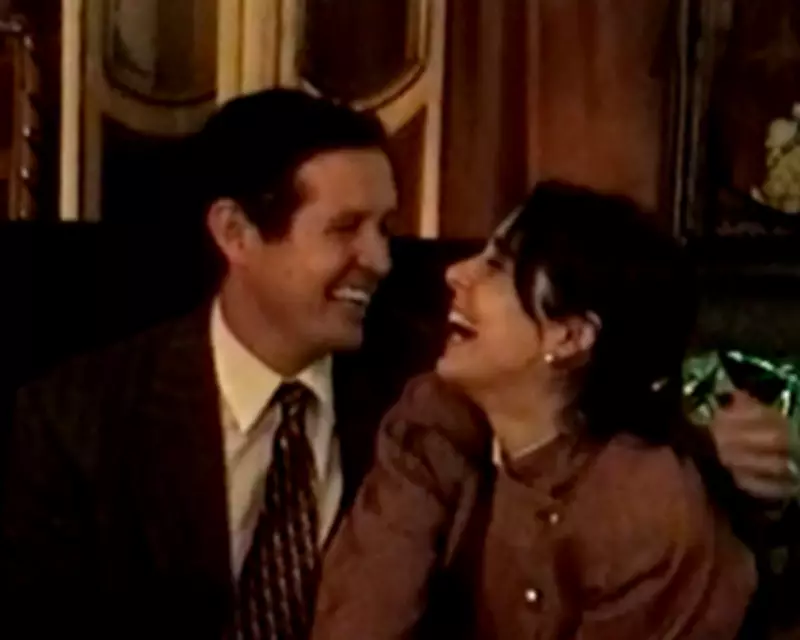
In the fiction feature debut Macdo, director Racornelia harnesses the raw, imperfect aesthetic of early digital camcorder footage to craft a documentary-style exploration of family dysfunction. Set against the backdrop of 1990s Mexico City, the film delves into the fractured relationships and shocking revelations that unfold during a tumultuous Christmas Eve dinner.
A Family Gathering Descends into Chaos
The narrative centres on two middle-class brothers, Alejandro, portrayed by Joaquin del Paso, and Octavio, played by Adolfo Jiménez Castro. Both married with children, they eagerly showcase their lifestyles as their families convene at Alejandro's home. Their wives, Estelle, played by Racornelia herself, and Lisbette, portrayed by Giovanna Duffour, actively participate in the escalating rivalry.
Under the guise of polite concern, sly insults are exchanged over courses and wine, leaving the young children to fend for themselves. The absurdity intensifies when Alejandro announces Estelle's second pregnancy, prompting a competitive vow from Lisbette and Octavio to follow suit. These sequences, purportedly filmed by the household maids, add a sharp layer of class critique, exposing the underlying rot beneath a facade of bourgeois contentment.

Telenovela Influences and Stylistic Embellishments
Racornelia employs quick zooms and tight closeups that evoke the visual style of telenovelas, a storytelling mode both parodied and reconfigured in Macdo. Like many soap operas, the film is punctuated by dramatic revelations. As the setting shifts from the dining room to the bedroom, the second half opens into marital discord and the casual cruelty of misogyny.
While the first half is electrified by the couples' quarrelling, the latter part can feel like an inert replay of their unpleasantness. Certain meta flourishes, such as split screens and flashing slogans, are intended as distancing techniques that implicate the viewer in the on-screen drama. However, this stylisation often becomes laboured, serving as a distraction rather than a provocation, and detracts from the core emotional impact.
Critique and Cultural Context
Macdo maximises the imperfections of camcorder footage to mount a warts-and-all study of family dynamics. The film's setting in 1990s Mexico City provides a rich cultural context, highlighting issues of class, gender, and familial pressure. The use of home video aesthetics lends an authentic texture to the memories and conflicts depicted, making the dysfunction feel palpably real.
Despite its stylistic embellishments, the film succeeds in exposing the hypocrisy and rivalry that can fester within seemingly perfect families. It challenges viewers to look beyond the surface, much like the camcorder footage itself, which reveals truths that are not always as they seem. Macdo is scheduled to be shown at the ICA in London from 6 March, offering audiences a chance to engage with its unique blend of drama and documentary realism.