Sir Lenny Henry Reveals Emotional Toll of Early TV Role on ITV's The Assembly
Lenny Henry Opens Up About 'Down' Period from TV Show

Sir Lenny Henry Opens Up About Career Regret on ITV's The Assembly

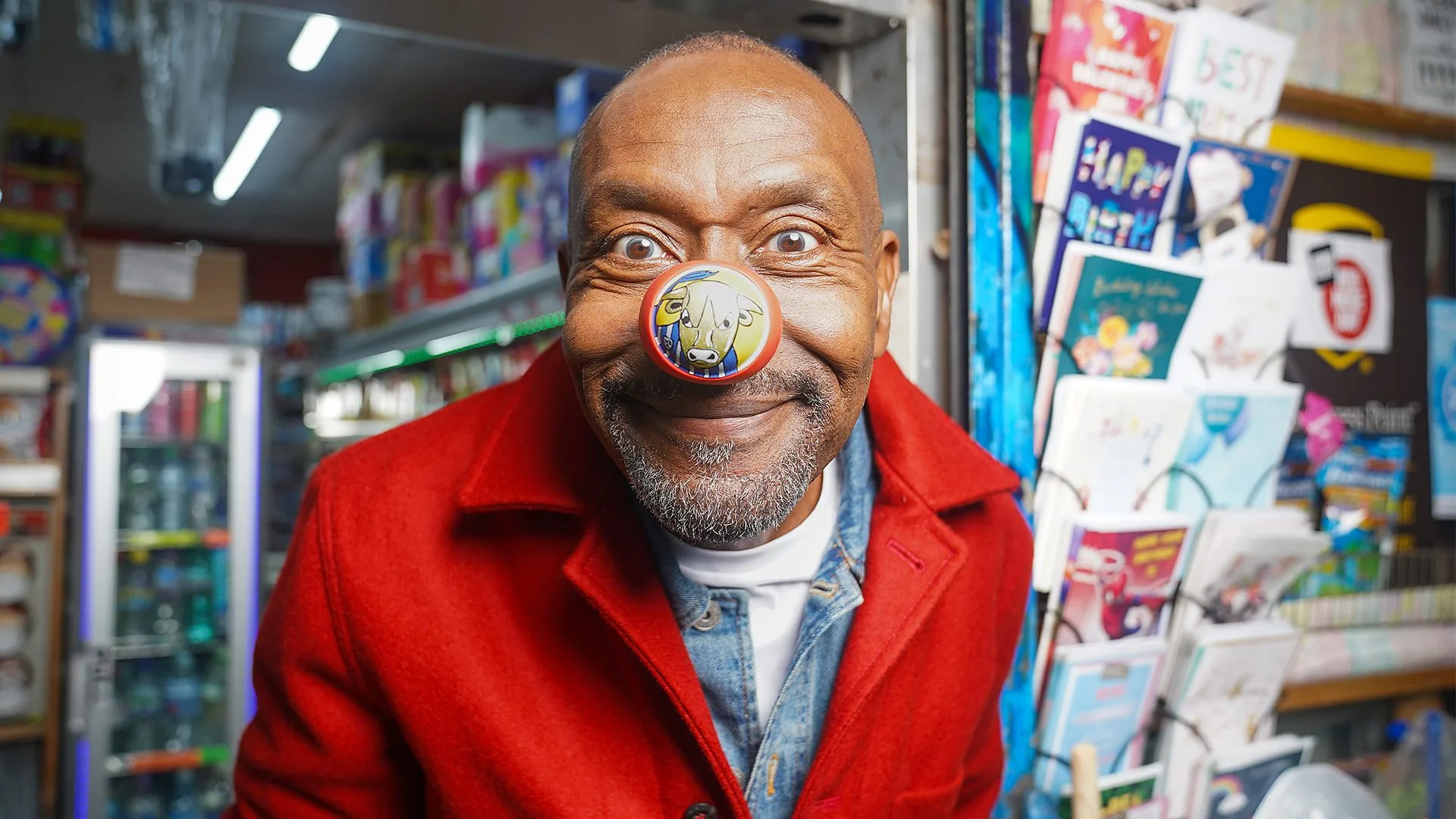
Sir Lenny Henry has made a deeply personal and heartbreaking confession about a pivotal moment in his early television career. The beloved 67-year-old comedian and presenter is set to feature on the acclaimed ITV series The Assembly, which returns to ITV1 and ITVX this Friday at 10.05pm. During the episode, Henry reflects on a role that left him emotionally scarred for years.

A Candid Conversation on The Assembly

The Assembly is a unique television programme where celebrities answer unfiltered questions from a panel of individuals who are autistic, neurodivergent, or have learning disabilities. The show's first series received widespread critical praise, with episodes featuring Danny Dyer, David Tennant, Jade Thirlwall, and Gary Lineker hailed as refreshingly honest. This new series will also include interviews with Sir Stephen Fry, Nicola Sturgeon, Anna Maxwell Martin, and Aitch, promising similarly raw and revealing discussions.

In his upcoming appearance, Lenny Henry is asked a poignant question: "Throughout your life, what is the hardest decision that you had to forgive yourself for?" His response delves into his teenage years and a controversial television programme that continues to haunt him.

Wide Pickt banner — collaborative shopping lists app for Telegram, phone mockup with grocery list

The Black and White Minstrel Show Legacy

Henry opened up about his time on The Black and White Minstrel Show, which aired from 1958 to 1978. He joined the show in 1975, becoming the first black performer to appear on it. Despite the producer's insistence that the programme was about music and costumes rather than race, Henry felt deeply uncomfortable with the portrayal.

"I was in a minstrel show. Although the guy who ran it kept saying, 'It's not about race, it's about the music and the costumes,' every time I saw these white guys blacked up, I just thought, 'This does feel like a race thing. It feels kind of racist,'" he explained during the interview.

The experience had a significant emotional impact on Henry. He revealed that his family never attended any of his performances on the show, which weighed heavily on him. "It did make me have issues, like you're portraying who you are. My family didn't come to see me ever when I was in that show, and it really weighed on me. I did feel like I was stuck and so, it made me down for quite a long time," he confessed.

Overcoming Bullying and a Plea for Unity

Elsewhere in the conversation, Henry discussed his past experiences with bullying during his school years. He credited his sense of humour with helping him navigate those difficult times. "I was bullied a lot at school. I think the day I discovered I could be funny, the people around me who became my friends at school started to laugh and go, 'Well, this is Lenny - Lenny's funny. Leave him alone,'" he recalled.

He also issued a heartfelt plea for solidarity in today's society. "Now, I think there are elements that would like it to go back to the way it used to be, but I think we all have to be allies, and we have to work so that that doesn't happen," he urged, emphasising the importance of collective support and understanding.

Additional Personal Revelations

The interview also touched on other significant aspects of Henry's life, including his long-term involvement with Comic Relief, his enduring personal relationship, and the profound loss of his mother in 1998. These topics further illustrate the depth and breadth of his personal and professional journey.

The Assembly offers viewers an intimate look into the lives of public figures through honest and direct questioning. Lenny Henry's episode is a powerful testament to the show's ability to facilitate meaningful conversations about regret, resilience, and redemption.

Pickt after-article banner — collaborative shopping lists app with family illustration