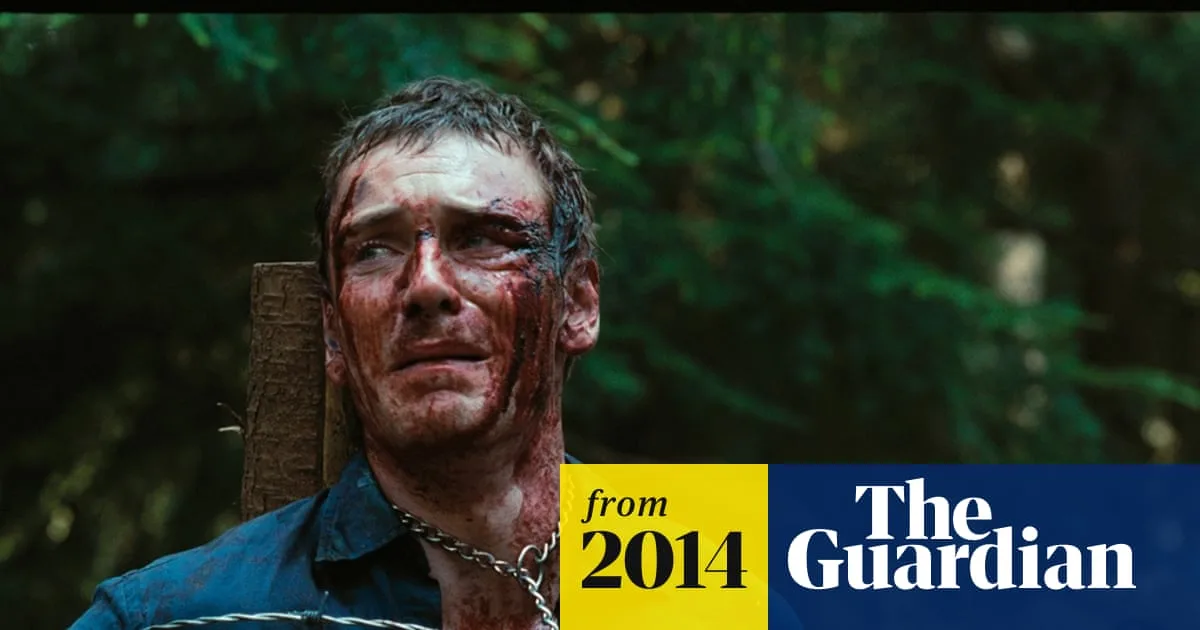
Alex Hess, a writer for British Brief, recalls the film that frightened him most: the 2008 British horror film Eden Lake. He first watched it on a sunny Sunday afternoon during his university holidays, expecting little more than a typical slasher flick. Instead, he found himself subjected to one of the most brutally terrifying experiences of his life.
The film's central conceit is simple yet effective: the menace comes not from a supernatural entity or escaped mental patient, but from mouthy, hoodie-clad teenagers. This grounded threat, complete with BMXs, flick-knives and cameraphones, taps into real societal fears of the time, such as the 'happy-slap' phenomenon and tabloid anxieties about 'Broken Britain'. Unlike many horror films of the 1990s and 2000s, which relied on self-referential humour and in-jokes, Eden Lake offers unrelenting, pant-wetting terror.
Hess notes that certain images from the film, including prolonged scenes of facial mutilation with a Stanley knife, have remained imprinted on his mind. The film's hard-edged realism, he argues, makes it far more effective than the wise-cracking horror he was accustomed to. The discomfort begins early and spirals hellishly out of control, culminating in a conclusion that treats the viewer with steadfast sadism.

While Eden Lake can be seen as a Daily Mail reader's nightmare—feral kids as the logical conclusion of societal decay—Hess suggests its real brilliance lies in its effect on liberal viewers. The instinctive fear provoked by the tracksuited executioners reveals how reactionary conservatism lurks within us all, challenging the comfort of a latte-swilling high horse. For Hess, the film remains a stark reminder that sometimes literal horror trumps allegorical ghosts and ghouls.