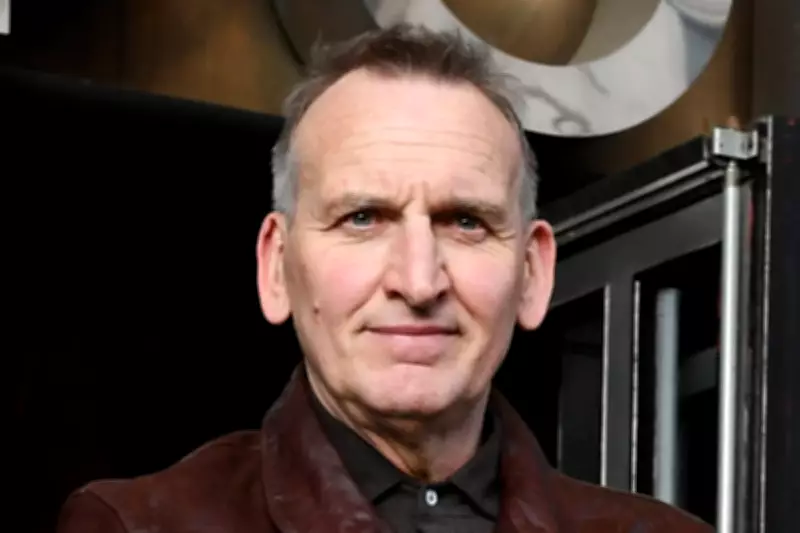
Former Doctor Who star Christopher Eccleston has made a bold plea for a change in leadership to breathe new life into the iconic BBC sci-fi series. The actor, who portrayed the Ninth Doctor in 2005, argues that the show is currently "written for boys" and requires a fresh perspective to regain its vitality.
A Call for Female Leadership
Eccleston has explicitly stated that he would only consider reprising his role as the Doctor if a female showrunner were appointed. He emphasised his preference for a woman who was a young fan during his original tenure in 2005, suggesting such a leader could bring a more inclusive and dynamic vision to the series.
Current State of Doctor Who
The long-running programme is presently under the guidance of Russell T Davies, the showrunner who masterminded its successful revival in 2005. However, Doctor Who faces significant challenges, including an extended hiatus until December 2026. This break follows Disney+'s decision to terminate its co-production and international distribution agreement, attributed to lower-than-anticipated viewership figures.

Additionally, the series has been rocked by the unexpected departure of Ncuti Gatwa as the Fifteenth Doctor. Gatwa's character regenerated into Rose Tyler in the dramatic finale of series 15, leaving fans and the production team in a state of flux.
Eccleston's Vision for the Future
Eccleston's comments highlight a growing sentiment that Doctor Who needs a transformative shift to reconnect with its diverse audience. By advocating for a female showrunner, he aims to address what he perceives as a gender imbalance in the show's creative direction. His conditional offer to return "like a shot" under such leadership adds a compelling layer to the ongoing discourse about the series' future.
The actor's remarks come at a critical juncture for Doctor Who, as the BBC navigates production delays and seeks to reinvigorate the franchise. With the show off-air for an extended period, there is ample opportunity for strategic changes that could redefine its trajectory and appeal.
As discussions about potential showrunners and creative overhauls continue, Eccleston's stance underscores the importance of inclusive storytelling in sustaining beloved cultural institutions. The outcome of these deliberations will likely shape Doctor Who's legacy and its ability to captivate audiences for generations to come.