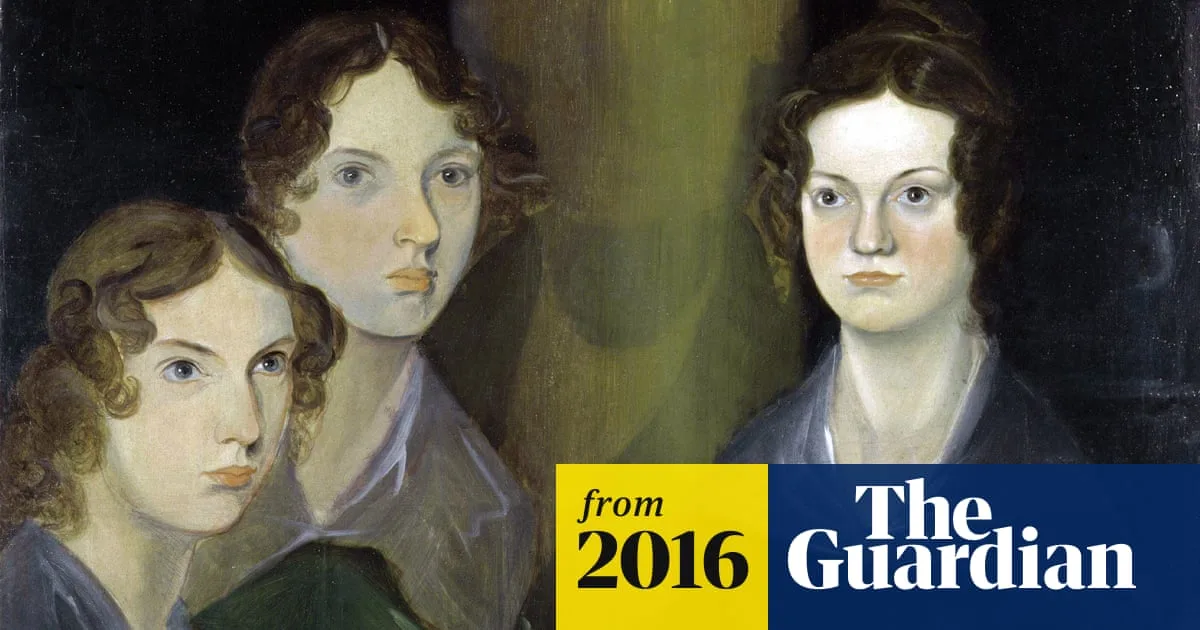
For decades, Anne Brontë has been overshadowed by her more famous sisters, Charlotte and Emily. But a new BBC documentary, Being the Brontës, aims to reassess the legacy of the youngest Brontë, presenting her as a feminist and social firebrand whose ideas were ahead of their time.
The documentary features presenter and writer arguing with co-presenters Martha Kearney (a Charlotte devotee) and novelist Helen Oyeyemi (an Emily champion) about Anne's unacknowledged supremacy. Filmed on the West Yorkshire moors, the programme examines the few years in Haworth when all three sisters wrote and published their extraordinary novels.
Anne's first novel, Agnes Grey, was published in 1847 as the third volume of a triple-decker set alongside Emily's Wuthering Heights. While Emily's novel became a sensation, Anne's spare, realistic tale of a governess went largely unremarked. Her second novel, The Tenant of Wildfell Hall (1848), was condemned by critics for its shocking 'coarseness' and feminist themes, and even Charlotte Brontë expressed distaste for the book.

Despite this, Anne defended her work in the preface to the second edition, calling critics 'more bitter than just' and insisting that depicting vice was a necessary function of art. The documentary argues that Anne's talent burned as brightly as her sisters', and that her novels offer a powerful critique of the powerlessness and fear of the female experience.