BBC's Queen Elizabeth II Documentary Criticised as Royalist Hagiography
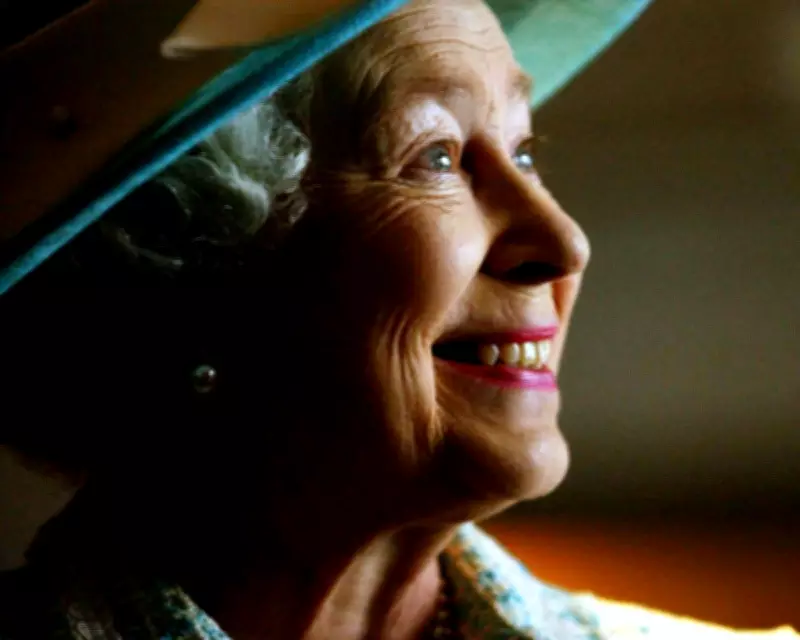
Whenever headlines mention "the queen" cutting ribbons for Scouts or hospitals, many momentarily believe Elizabeth II has risen from the dead, only to realise after about 45 seconds that they refer to "Queen Camilla." This confusion underscores the enduring legacy of the late monarch, which the BBC explores in a new hour-long documentary, Queen Elizabeth II: Her Story, Our Century. However, the film has drawn criticism for being a highly basic, royalist-pleasing hagiography that rapidly skims over the darker side of the crown, offering little new insight for those familiar with shows like The Crown.
A Century Through the Prism of Monarchy
Marking what would have been Elizabeth II's 100th birthday, the documentary promises to span "a century of change for Britain," tracing the nation's journey from empire to celebrity culture, and from the Blitz to the 2012 London Olympics. It features archive clips of the queen and Britain over the years, with black-and-white footage of the young royal interspersed with commentary from notable figures such as Barack Obama, Helen Mirren, David Attenborough, Tony Blair, and Gyles Brandreth. Yet, the film often feels repetitive, recapping historical events already well-known to audiences, with Brandreth's warnings about Edward VIII's love for Wallis Simpson seeming aimed at someone frozen in the 1930s.
Emphasis on Duty and Glossed-Over Controversies
The documentary repeatedly highlights Elizabeth II's sense of "duty," with Kirsty Young noting her skill at shaking hands after George VI's death, and former Lioness Jill Scott declaring the queen was Britain's "manager" during the pandemic—a claim that might surprise figures like Chris Whitty. However, it offers much less conversation about the crown's darker aspects. When the empire is briefly mentioned, historian David Olusoga diplomatically summarises the journey to independence as "fraught" with "some violence," but the film quickly moves on, such as to footage of the queen dancing in Ghana. It asserts her belief in racial equality without deeper exploration.

Flashes of Depth Amid Superficiality
There are moments where a better show shines through, such as touching segments on the Aberfan mining disaster and the queen's missteps in responding to Princess Diana's death. Yet, whenever difficult points arise, they are brushed off with such speed that it almost suggests interference from the Palace's press secretary. For instance, the historic 2011 visit to Ireland includes multiple clips of the queen in a green two-piece but omits any mention of Bloody Sunday. Similarly, Prince Andrew's association with Jeffrey Epstein receives a mere two minutes, mentioning his payout to Virginia Giuffre but not the alleged involvement of his mother in funding it.
A Missed Opportunity for Nuanced Exploration
Critics argue the BBC had two potential paths: a nuanced exploration of Elizabeth II's reign and British history that respects its audience, or a hagiography aimed at Daily Mail readers. The commissioners chose the latter, resulting in a film that feels basic and overly celebratory. While it may please royalists, it fails to delve into the complexities of monarchy and history, leaving viewers with a sanitised version of events. Luckily, as the reviewer notes, only critics have a duty to watch it, sparing the general public from this superficial take. Queen Elizabeth II: Her Story, Our Century aired on BBC One and is available on iPlayer, but it serves as a reminder of the missed opportunities in televised royal documentaries.