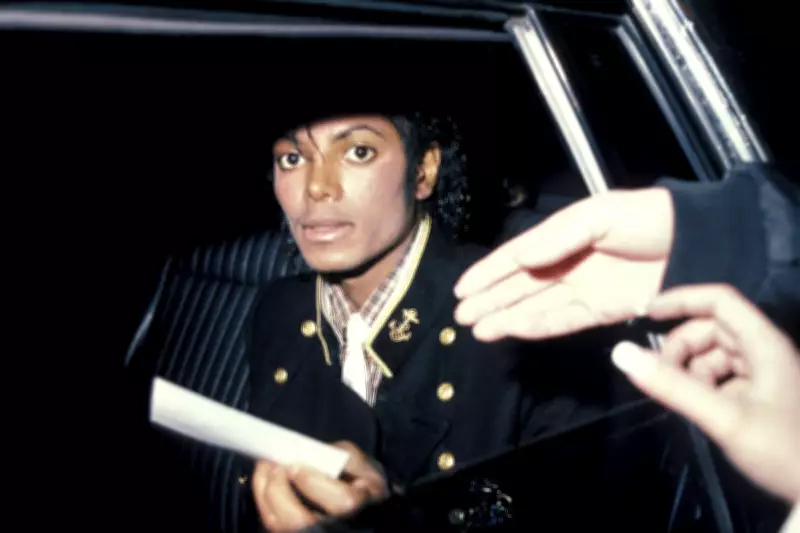
BBC's Michael Jackson Documentary Fails to Offer New Insights on Pop Icon's Legacy
A new three-part BBC documentary, Michael Jackson: An American Tragedy, delves into the tumultuous life of the 'King of Pop,' yet it misses numerous opportunities to explore fresh perspectives on his controversial legacy. Released in April 2026, this series charts Jackson's rise from a child star in the Jackson 5 to his global fame in the 1980s and subsequent disgrace, but it ultimately feels unnecessary and repetitive.
Familiar Narrative Without Innovation
The documentary, produced by the team behind The Tony Blair Story, follows a linear chronological structure across episodes titled 'Fame,' 'The Reckoning,' and 'Resurrection.' It covers well-trodden ground, including Jackson's solo career with Quincy Jones, skin bleaching allegations, and the infamous balcony incident in Berlin. Despite access to archive material and interviews with figures like Michael's sister LaToya Jackson and former manager Dieter Wiesner, the series fails to psychoanalyse Jackson or delve into his personality, instead focusing superficially on his public image.
Director Sophie Fuller does not attempt to understand the cyclical nature of abuse within Jackson's family or the collusion of powerful entities in maintaining his brand. Instead, the documentary romps through three hours of complex history without offering new insights, especially in light of recent documentaries like the Emmy-winning Leaving Neverland, which highlighted the victims of Jackson's alleged abuse.

Legacy and Obsession in the Public Eye
Jackson's story has been retold repeatedly since Martin Bashir's 2002 ITV documentary, Living with Michael Jackson, trapping his legacy in tabloid and legal speculation about alleged paedophilia. In the 1990s, accusations tarnished his reputation, but he survived through out-of-court settlements, fan loyalty, and industry cynicism. Even after court cases and the Bashir documentary, a drug-addled Jackson continued to sell records and concert tickets, with support from figures like Donald Trump and Dermot O'Leary.
When Jackson died in 2009, he was on the verge of a major 50-date tour, underscoring the enduring public fascination. This new series, timed with the release of a biopic titled Michael, exposes how alive the obsession with 'Wacko Jacko' remains, yet it adds little to the conversation beyond rehashing familiar beats.
Missed Opportunities for Depth
The documentary hints at tragedy with an ominous score but clings to Jackson's stratospheric ascent and nosedive without exploring deeper themes. It could have reflected on Jackson as a manifestation of abuse cycles or the role of powerful individuals in shielding him, but instead, it forgets to say something new. As Jackson once purred during 'Thriller' rehearsals, 'I'm not like other guys... I'm a monster,' a statement that now resonates with the horrors hidden behind his all-singing, all-dancing persona.
Ultimately, Michael Jackson: An American Tragedy achieves the bare minimum of biography by recounting events, but it fails to provide the fresh perspective needed in today's cultural landscape, leaving viewers with a sense of déjà vu rather than enlightenment.