Uncanny's Global Rise: How a Paranormal Podcast Conquered the World
In the dimly lit London Palladium, Danny Robins, hailed as the "high priest of the paranormal," captivates a sold-out audience with eerie tales of phantom babies, haunted Teams meetings, and a mysterious "hairy flasher." Flanked by parapsychologist Evelyn Hollow from Team Believer and sceptic Ciarán O'Keeffe from Team Sceptic, Robins dissects each spine-tingling story, drawing gasps and shivers from a diverse crowd of millennials, boomers, and Gen Z enthusiasts. This is the enthralling world of Uncanny, a British paranormal show that has skyrocketed from humble podcast beginnings to a global entertainment juggernaut.
From Radio 4 to World Domination
Uncanny began its journey five years ago as a Radio 4 paranormal investigations podcast, featuring the haunting opening lyrics, "I know what I saw." The debut episode, The Evil in Room 611, introduced scientist Ken, who recounted unexplained scares from his university days, including dark figures and shaking doors. Experts like parapsychologist Caroline Watt and ordained minister Peter Laws offered contrasting theories, from hypnagogic hallucinations to poltergeist activity. This simple yet compelling format quickly resonated with listeners, amassing over 8 million downloads within just two years.
The podcast's success spawned a sprawling franchise, including live stage shows, a television series, a US spinoff, celebrity specials, books, and UncannyCon. It remains one of BBC Sounds' most popular shows, topping charts at the end of last year. Now, a brand-new Uncanny YouTube channel is set to launch, focusing on classic cold cases like the black monk of Pontefract and the Barney and Betty Hill UFO incident. This expansion could propel the cult British podcast to even greater heights, challenging its ability to spook audiences worldwide.

The Uncanny Phenomenon: Why It Captivates Millions
Behind the scenes, Robins, Hollow, and O'Keeffe reflect on their astonishing success. "When we started our first tour, we played theatres with maybe 250 people in 2,000 seats," Robins recalls. "Now, they're full." The Fear of the Dark tour has seen 44 performances, with highlights including a surreal show at the Palladium and a memorable moment in Guildford where the bassist from The Jam queued for autographs. Celebrity fans abound, with Simon from The Cure touring with an Uncanny tote bag and stars like Reece Shearsmith, James Acaster, and Diane Morgan participating in specials.
The fanbase spans generations, with children as young as six attending shows and families bonding over shared supernatural interests. "We live in an incredibly divided world," Robins notes. "There's something beautiful about how the Uncanny community, though polarised, enjoys the show and agrees to disagree." The appeal lies in the mystery; as O'Keeffe points out, episodes like Harry Called leave even sceptics scratching their heads over mundane yet terrifying events, such as mysterious phone calls after Ouija board sessions.
Upturning the Paranormal Genre
Before Uncanny, paranormal entertainment in the UK often faced sneers and pantomime-like portrayals, with ghost hunts defined by screaming and night vision cameras. Robins upturned this with his play 2:22 A Ghost Story, which had six West End runs and Olivier nominations, and is now heading to Broadway. The 2021 BBC airing of his podcast The Battersea Poltergeist marked a turning point, prompting a flood of emails from people sharing previously untold experiences. O'Keeffe describes Uncanny as "prestige paranormal," akin to a detective story that engages viewers in solving mysteries rather than merely exploring haunted houses.
Academics worldwide are gripped, with colleagues from France, Spain, Portugal, and the US frequently asking O'Keeffe about the show. Overseas audiences are growing, with 11% of podcast listeners from the US, and plans for tours in Australia. The pandemic spurred a spike in paranormal engagement, and ongoing economic and geopolitical uncertainties have fuelled a desire for escapism. "The more frightening our world feels, the more we seek another world outside it," Robins explains.

Cultural Impact and Future Horizons
Uncanny's Britishness, reminiscent of classics by MR James and Charles Dickens, adds to its charm. However, cultural differences shape how paranormal phenomena are engaged with globally. In the US, for instance, Robins encountered cases where people tried to shoot ghosts, as in The Flood episode featuring Marcus in rural Georgia. Sweden has already adapted Uncanny into its own TV version, Kalla Kåarar, hosted by Jack Werner, highlighting the show's international appeal.
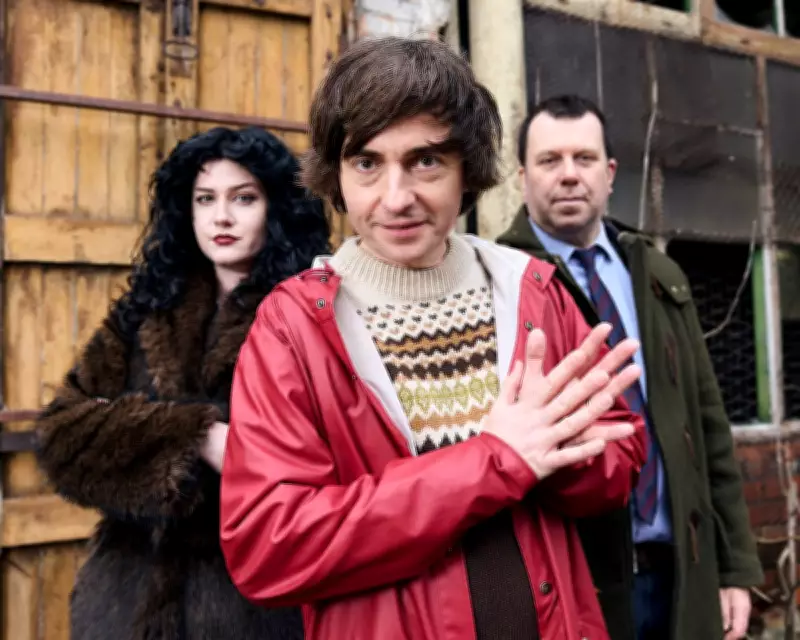
The launch of the Uncanny YouTube channel presents a huge opportunity to reach new fans, though competition exists from channels like Ghost Theory. Hollow emphasises staying true to the podcast's essence, blending drama and true crime. Future plans include the fourth UncannyCon at the ICC Birmingham, a German TV series, and a BBC drama adaptation of The Witch Farm, starring Gabrielle Creevy and Michael Socha. With tens of thousands of stories submitted, the show's destiny hinges on fans' willingness to share their experiences.
As Hollow proudly declares, "We're by no means short of stories. It's at the point where it's listened to more than the news. I mean, how much bigger can you possibly be?" Uncanny Cold Cases will air weekly on BBC Radio 4 and BBC Sounds from 7 April, available to watch on the Uncanny YouTube channel, ensuring the spine-tingling journey continues to captivate audiences around the globe.