ITV Banned from Split-Screen World Cup Ads by FIFA Rules
ITV Banned from Split-Screen World Cup Ads by FIFA

ITV has confirmed it will not broadcast split-screen advertisements during this summer's World Cup, following a FIFA ruling that has disrupted the broadcaster's commercial plans. The channel had previously trialled this advertising method during the Six Nations rugby tournament, where it generated significant backlash from fans but was considered a commercial success by ITV executives.

FIFA Restrictions Block ITV's Advertising Strategy

The drinks breaks scheduled for all 104 matches at this summer's tournament presented what seemed like an ideal opportunity for ITV to implement split-screen advertising during their football coverage. However, FIFA regulations strictly dictate that only their own commercial partners and official tournament sponsors can be displayed during these hydration intervals. This restriction effectively prevents ITV from featuring advertisements from their own clients during these valuable broadcast moments.

Regulatory Limitations Compound the Problem

Compounding the issue, Ofcom regulations impose strict limits on the total advertising time permitted during broadcasts. This means that if ITV were to show split-screen advertisements during other portions of their coverage, they would need to reduce traditional commercial breaks accordingly. According to reports from The Times, ITV launched their World Cup advertising packages in November, generating substantial interest from potential clients. However, those who purchased advertising slots will not have their content shown during drinks breaks, significantly reducing the available advertising inventory.

Wide Pickt banner — collaborative shopping lists app for Telegram, phone mockup with grocery list

Hydration Breaks: Controversial but Mandatory

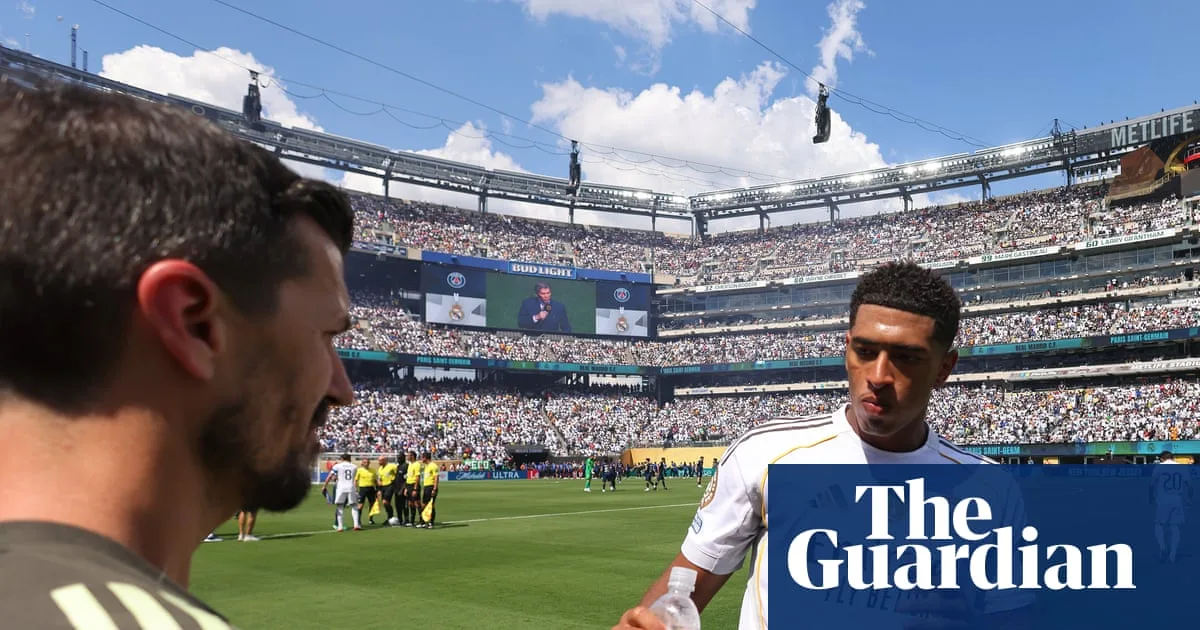
Hydration breaks themselves have become a contentious aspect of this summer's World Cup, with every match scheduled to include these intervals due to the extreme heat anticipated in North American host cities. Each three-minute break will split the halves of football, allowing players to rehydrate and receive tactical instructions from coaches.

FIFA has confirmed that while broadcasters are technically permitted to show split-screen advertisements during drinks breaks, specific rules govern their timing. Advertisements cannot appear within 20 seconds of the hydration break's commencement and must conclude at least 30 seconds before play resumes. This narrow window further complicates advertising logistics for broadcasters like ITV.

Six Nations Backlash Serves as Warning

The split-screen advertising approach previously tested during the Six Nations rugby tournament provoked widespread criticism from viewers. Fans took to social media platforms in large numbers to express their frustration with the intrusive advertising format. One viewer commented: "ITV trying to make the Six Nations feel like the NFL. Ruining sport to hit their targets." Another asked: "Any danger of a game of rugby breaking out in between these adverts?"

Roger Mosey, former head of BBC TV news and ex-director of BBC Sport, offered perspective on the situation: "I don't blame ITV for this. They deserve credit for keeping rugby free to air. But I do believe rights holders should want the public to see sport live and uninterrupted. The Six Nations allowing in-game ad breaks is a daft idea, and it's about money not the audience."

Broader Implications for Sports Broadcasting

The controversy highlights the ongoing tension between commercial interests and viewer experience in sports broadcasting. While broadcasters seek innovative ways to generate revenue, particularly for expensive rights acquisitions like the World Cup, fan resistance to intrusive advertising formats remains strong. The FIFA restrictions during drinks breaks represent a significant limitation on broadcasters' ability to monetize these natural breaks in play, forcing them to rely more heavily on traditional advertising slots that are already constrained by regulatory time limits.

As the summer tournament approaches, it remains to be seen how other broadcasters will navigate these restrictions and whether alternative advertising approaches will emerge. The situation underscores the complex interplay between sporting regulations, broadcasting rights, commercial imperatives, and audience expectations in modern sports media.

Pickt after-article banner — collaborative shopping lists app with family illustration