Prince William's Youth Outreach Falters Amid Epstein Scandal Fallout
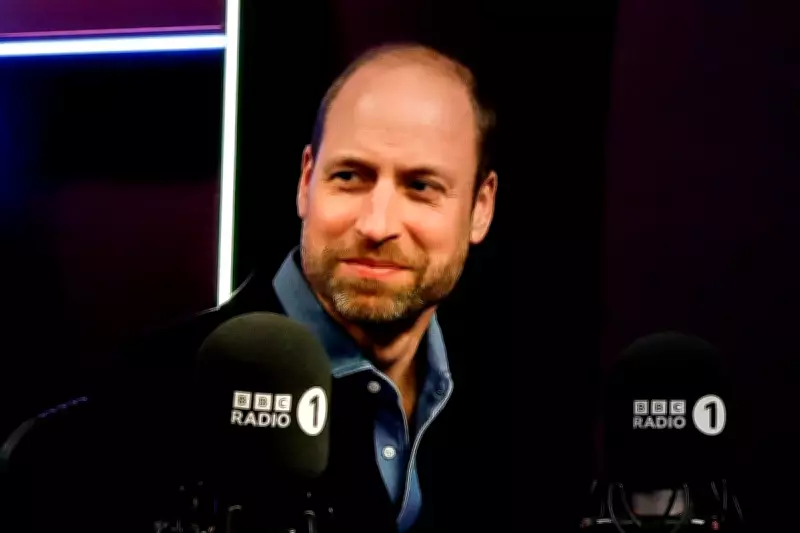
Prince William's attempt to connect with a younger generation through a candid discussion about mental health has spectacularly backfired, with many viewing his Radio 1 appearance as tone-deaf and out of touch. The future king's interview aired against the backdrop of the escalating Epstein scandal, which has ensnared his uncle, Andrew Mountbatten-Windsor, and exposed deep public anger over perceived elite impunity.
A Scandal of Global Proportions
The Epstein affair is rapidly becoming one of the most shocking scandals of the modern era, reaching into the highest echelons of power across continents. From the White House to royal palaces, the case has laid bare a growing global fury over what many perceive as a two-tier system of justice. For ordinary citizens, there is an expectation to obey laws and pay taxes, facing consequences for any transgressions. Yet for the wealthy, connected, and titled, it often appears that a different set of rules applies—where serious crimes can be committed with seeming impunity.
Public dismay has mounted as numerous powerful figures continued associations with Jeffrey Epstein long after his conviction for procuring a minor for prostitution. While figures like the Clintons have agreed to provide sworn testimony to the House Oversight Committee, many others possessing crucial information have remained silent. Despite platitudes about "thinking of the victims," those very victims have pleaded for cooperation, often meeting with a wall of silence from the elite circles implicated.

A Royal Interview Misses the Mark
It was within this highly charged atmosphere that Prince William made a surprise appearance on BBC Radio 1. Notably, the interview steered entirely clear of the Epstein scandal, with neither the prince volunteering thoughts nor the host, Greg James, raising the subject—likely due to strict pre-agreed parameters. Instead, William focused solely on men's mental health, speaking openly about understanding his own emotions.
What those emotions were following his uncle's arrest on suspicion of misconduct in public office remains unknown. The royal family's official response to the scandal has been notably restrained. After the release of files showing Andrew Mountbatten-Windsor in a compromising position, Kensington Palace issued a brief statement: "I can confirm The Prince and Princess have been deeply concerned by the continuing revelations. Their thoughts remain focused on the victims." There was no direct mention of Epstein, Andrew, or his former wife, Sarah Ferguson.
Generational Disconnect and Rising Anger
For the Radio 1 audience—largely comprising Generation Z and Generation A—the interview felt like a serious misfire. Many young listeners perceived it as evidence that the prince, and the monarchy at large, prioritises self-preservation over the wellbeing of ordinary people. This sentiment is exacerbated by stark inequalities, with 33 percent of UK children now living in poverty, and headlines dominated by misconduct among the rich and powerful.
Olivia, 15, whose mother works long hospital shifts, expressed a common view: "There are loads of doctors and nurses whose mental health is awful, but they don't have a few palaces to retreat to. He didn't mention Epstein's victims or how frightening things feel for so many people. It sounded like 'poor me'. I feel disgusted by the royal family."
This disillusionment is reflected in polling data. Only 30 percent of 18- to 24-year-olds believe the monarchy is "good for Britain," compared to 77 percent of over-65s—and that was before the latest Epstein developments. While William and Kate remain the most favourably viewed royals overall, support among younger generations is significantly weaker.
Privilege and Perception in a Cost-of-Living Crisis
Having grown up during a severe cost-of-living crisis, younger generations display little patience for unearned privilege. They frequently view royals not as a dynamic future for the institution, but as "nepo babies" benefiting from inherited status and taxpayer-funded palaces, while their peers struggle with housing and employment.

Clint, 18, articulated this anger: "There were days my mum didn't eat so we could. We were evicted twice, once at Christmas. William can shove his 'woe is me' routine. Try living like the rest of us."
The ongoing rift between William and Harry further complicates perceptions. Where older generations might see Harry as shirking duties, many younger Britons describe William as "cold" and "unkind." There is also a widespread belief that Harry faced harsher consequences for his actions than Andrew did until recently, with the stripping of Andrew's titles seen as too little, too late.
Complicating Factors and Institutional Mistrust
The scandal's tendrils have even touched one of Prince William's flagship initiatives. Sultan Ahmed bin Sulayem, an Emirati businessman and former CEO of DP World, appears in Epstein files as a correspondent, with emails referencing a "torture video." His company was a founding corporate partner of William's Earthshot Prize, contributing at least £1 million. While there is no evidence William knew of these connections, for conspiracy-inclined younger generations already suspicious of elite networks, such associations only deepen mistrust.
Prince Harry's public criticism of Andrew has not gone unnoticed, highlighting perceived hypocrisy in the family's handling of different scandals. In his memoir Spare, Harry noted that despite allegations against Andrew, "no one had even suggested removing his security." Indeed, even as Andrew left a police station following his arrest, he was accompanied by two royal protection officers.
The Path Forward for a Modern Monarchy
If William's interview aimed to humanise him and bridge generational divides, it appears to have achieved the opposite among the very audience he sought to engage. Grace, 24, summarised a prevailing mood: "I don't think the elite understand how angry people are. It feels like they've shown us that some lives matter less."
While the royal family may feel embarrassment over the Epstein associations, their discomfort pales beside that of the victims, who alongside their lawyers have repeatedly called for Andrew to testify under oath before Congress. The silence from both the King and Prince William on this matter has been conspicuous.
With multiple UK police forces now reviewing Epstein-related material connected to Andrew, developments may yet force a shift. For Prince William to steward a modern monarchy sustained by the consent of younger generations, he may need to acknowledge a fundamental truth: whatever personal struggles he faces, millions are confronting far greater hardships—and they demand genuine accountability from those at the very top of society.