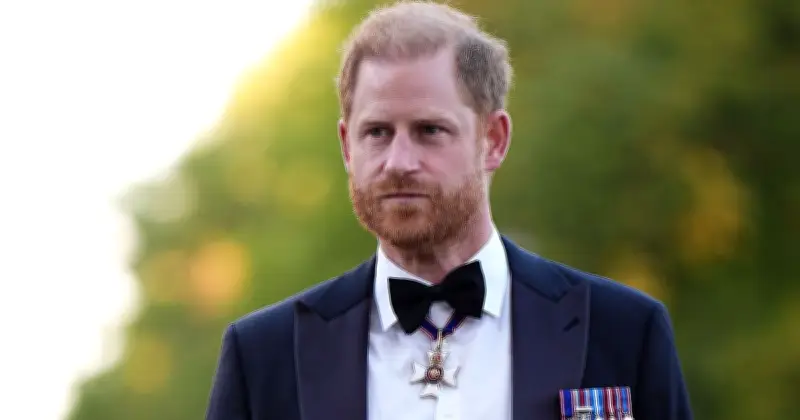
Prince Harry and Meghan Markle's two children, Archie and Lilibet, have been kept out of the public eye in recent years, and a royal expert has now explained why.
Royal Editor Matt Wilkinson suggests it's related to how Harry grew up, that he was always in the public eye, and now he's hypersensitive. Speaking on the A Right Royal podcast, Wilkinson said: "My understanding of this or up to a certain stage is that Harry would much rather his children were not seen. He doesn't want them to be tapped."
Meghan's different approach
The expert also pointed out that Meghan, having grown up differently in California, wouldn't necessarily want to keep the children hidden. He said: "She doesn't want to hide them away and we've seen this haven't we more and more with the use of Lilibet and Archie."
Both Prince Archie and Princess Lilibet have been increasingly featured in Instagram photos since Meghan returned to the platform at the beginning of 2025.
Return to the UK and school move
The Sussexes moved back to the UK at the end of August, after six years of living in the USA. The two children started at a British school in September, but just two days later, Harry and Meghan were forced to move them to a new school after a security threat. Both schools remain undisclosed.
A spokesperson for the Sussexes said the decision "was taken following a discussion about the practicalities of their current arrangement," emphasising that "this decision should in no way be interpreted as a reflection on the school or the exceptional care the children have received there."
Harry's previous comments on returning
Speaking to the BBC in 2025, Prince Harry said: "I can't see a world in which I would bring my wife and children back to the UK at this point." He added: "There have been so many disagreements between myself and some of my family" but he said he had now "forgiven" them.
The prince continued: "I would love reconciliation with my family. There's no point continuing to fight any more, life is precious." Harry said the dispute over his security had "always been the sticking point."