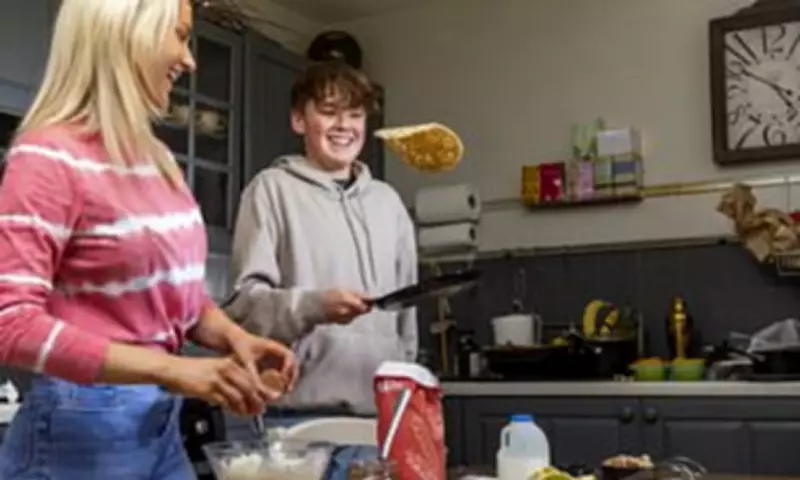
Pancake Day Tradition Under Threat as Young Britons Abandon the Flip
A cherished British tradition dating back centuries, Pancake Day has long marked a pivotal moment in the Christian calendar, bringing delight to children and adults alike with its simple culinary ritual. However, this beloved custom now faces a modern-day crisis, as a startling new study reveals that the majority of young Britons are either too frightened or too indolent to attempt making and flipping a pancake themselves.
Widespread Pancake Anxiety and Ignorance
As the nation prepares to celebrate Shrove Tuesday, research commissioned by Lyle's Golden Syrup, based on a poll of 2,000 Britons, uncovers a troubling trend. Three in five young Britons confess they have never flipped a pancake, while a fifth openly admit they possess no knowledge of how to create one from basic ingredients. The confusion extends beyond technique, with nearly half of Generation Z respondents uncertain about the historical reasons pancakes are traditionally consumed on this day.
This lack of confidence is not confined to the youth. Individuals across all age groups report feeling uneasy about pancake preparation. More than a third of Britons have experienced the embarrassment of burning a pancake during cooking, and nearly a quarter have suffered the mishap of dropping one onto the hob or floor while attempting the iconic flip. Consequently, many are choosing to forgo the practice entirely.

Alarming Decline in Pancake Participation
The statistics paint a grim picture for the future of this tradition. A shocking eight in ten Britons declare they will not toss a pancake on Shrove Tuesday this year. Merely three in ten plan to craft pancakes from scratch on the day itself, signalling a significant shift away from hands-on participation. This decline threatens to erode a cultural practice deeply embedded in British heritage.
Historical Roots and Enduring Customs
Pancake Day has been observed in Britain for hundreds of years, commemorating Shrove Tuesday, the final day before Lent begins, when individuals were absolved or 'shriven' of their sins. As people traditionally renished indulgent foods for the 40-day period leading up to Easter, pancakes served as an ideal method to utilise surplus eggs, butter, and fats from household pantries.
The earliest English-language pancake recipe appears in a cookbook published in 1439, and numerous traditions have evolved around the festival. Pancake-tossing races continue to be held in many towns today, preserving a playful aspect of the celebration. In France, which shares the custom of consuming rich foods before Lent, the day is famously known as Mardi Gras or 'Fat Tuesday'.
Modern Alternatives and Social Media Trends
While Generation Z, those born between 1997 and 2012, appear less inclined to personally wield a frying pan, they are finding alternative ways to acknowledge the occasion. Three in ten plan to indulge in pancake-inspired treats from cafés, restaurants, and coffee shops, such as pancake-syrup flavoured coffee or sweets, ice cream, and milkshakes themed around pancakes.
Additionally, one in five intend to experiment with trending recipes from TikTok and Instagram, including fluffy Japanese pancakes and mini pancake cereal. This shift towards commercial and digital experiences highlights a generational transformation in how traditions are observed, potentially safeguarding the spirit of Pancake Day through contemporary adaptations, even as the classic flip risks fading into obscurity.