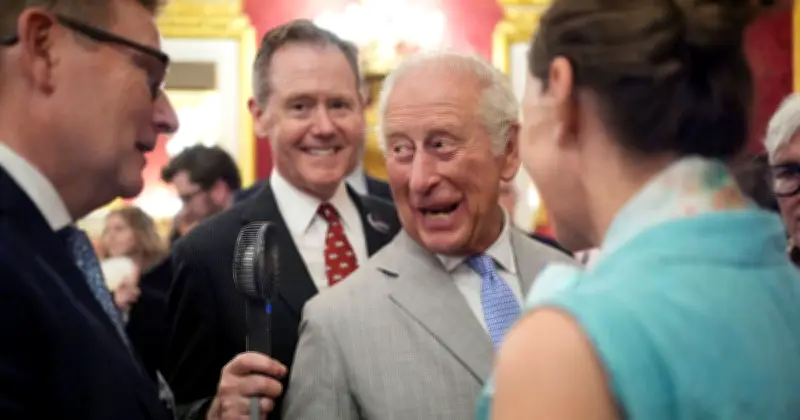
King Charles has confirmed he will not move into Buckingham Palace once crucial renovation work is completed, instead continuing to reside at Clarence House. The decision, announced by officials on Thursday, has sparked debate about the future of the monarchy's most iconic residence.
Historical Significance of Buckingham Palace
Buckingham Palace has been the official London residence of British monarchs since Queen Victoria, who was the first to live there permanently. The flying of the Royal Standard above the palace signals that the sovereign is in residence, a tradition recognized worldwide. Visitors from across the Commonwealth and beyond have flocked to the palace to see where Queen Elizabeth II, King George VI, and their predecessors lived and worked.
The palace is a symbol of continuity and grace, representing the enduring nature of the monarchy while its temporary heads pass away. Now that Charles has decided not to live there, there are rumours that Prince William may also choose a different home when he succeeds his father.
Risks of Abandoning the Palace
Critics argue that the King's decision risks weakening the monarchy's symbolic presence in London. Adam Toms, writing for the Express, warns that it could lead people to question which other aspects of the monarchy should be relinquished. "This is a very slippery slope towards viewing the Crown itself as a relic to be yielded," Toms writes.
The palace underwent a £370 million renovation, funded by taxpayers. Graham Smith, chief executive officer of Republic, criticised the decision, suggesting the King is keeping the building "under lock and key" until he needs it, and argued the property should be "fully open to the public all year round." However, a palace spokesperson confirmed that Buckingham Palace will remain "Monarchy HQ" and both the ceremonial and operational centre of royal life. The sovereign's standard will still fly from the roof whenever His Majesty is in London, and plans to widen public access aim to maximise the national benefit of the publicly funded building.
Comparison to Palace of Versailles
Toms draws a comparison to the Palace of Versailles in France, which he visited at age 19. While beautiful and fascinating, he notes that its emptiness reminded him of the brutal events of 1789 and the French Revolution. He argues that Buckingham Palace was built not just as a tourist attraction, but to house an ancient institution and conduct administrative affairs that benefit the monarch's subjects.
King Charles and Camilla, both in their 70s, prefer the comfort of Clarence House, where they currently live. Critics acknowledge this should be a consideration, but note that their circumstances are perhaps the most exceptional in the country. The decision has reignited debate about the monarchy's relevance and the use of public funds for royal residences.