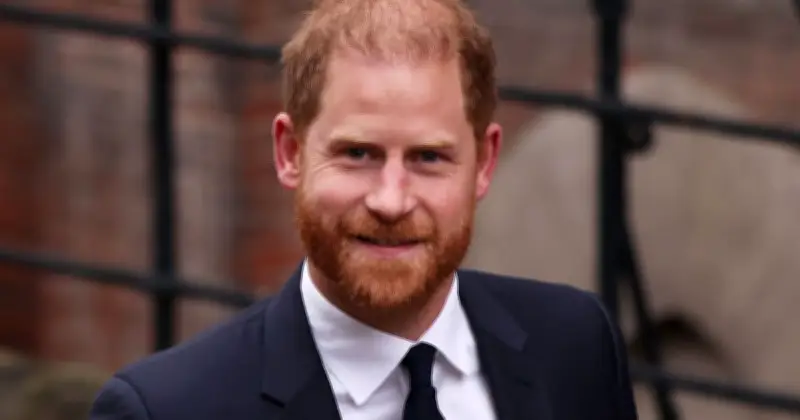
The Duke of Sussex has said it is 'too dangerous' to bring his family to Britain without security, but critics argue his wealth undermines the case for taxpayer-funded protection.
Return to the UK
After six years abroad, Prince Harry and Meghan Markle's decision to move back to the UK has dominated the news cycle this week. Briefings from the Sussexes' camp suggest the family wants to live as private citizens and educate their two children in British schools.
Alongside speculation about where their "non-royal residence outside London" will be based, questions have emerged about their security arrangements. The couple had their round-the-clock taxpayer-funded police protection downsized after stepping down as senior royals in 2020.
Security dispute
Harry has been vocally critical of the situation, previously insisting it was too dangerous to bring his wife and children to the UK with the security he was entitled to post-Megxit. He lost a protracted legal battle against the Home Office last year, claiming in a witness statement that it is "not possible to keep them safe on UK soil" without reinstated protection.
A judge dismissed the sentiment as based on a "sense of grievance" with no grounds for an appeal. Critics note Harry's ability to pay for his own private security team in the US undermines his plea.
Wealth and public funding
The family retains their Montecito estate, worth up to $30million (£22million), and additional homes in Portugal and, reportedly, the Cotswolds. Harry made around £20million from his autobiography Spare, and his and Meghan's joint net worth is estimated at £45million.
The future of their relationship with the Royal Family remains to be seen, but it is unlikely the King will allow a "half in, half out" role. This means they will almost certainly remain non-working royals and private citizens, and very wealthy ones at that.
Expecting money from Britain's strained public coffers to go towards their 24-hour protection seems ridiculous when the unwritten contract between the Royal Family and UK taxpayers – financial support exchanged for public service – simply does not apply to them anymore.