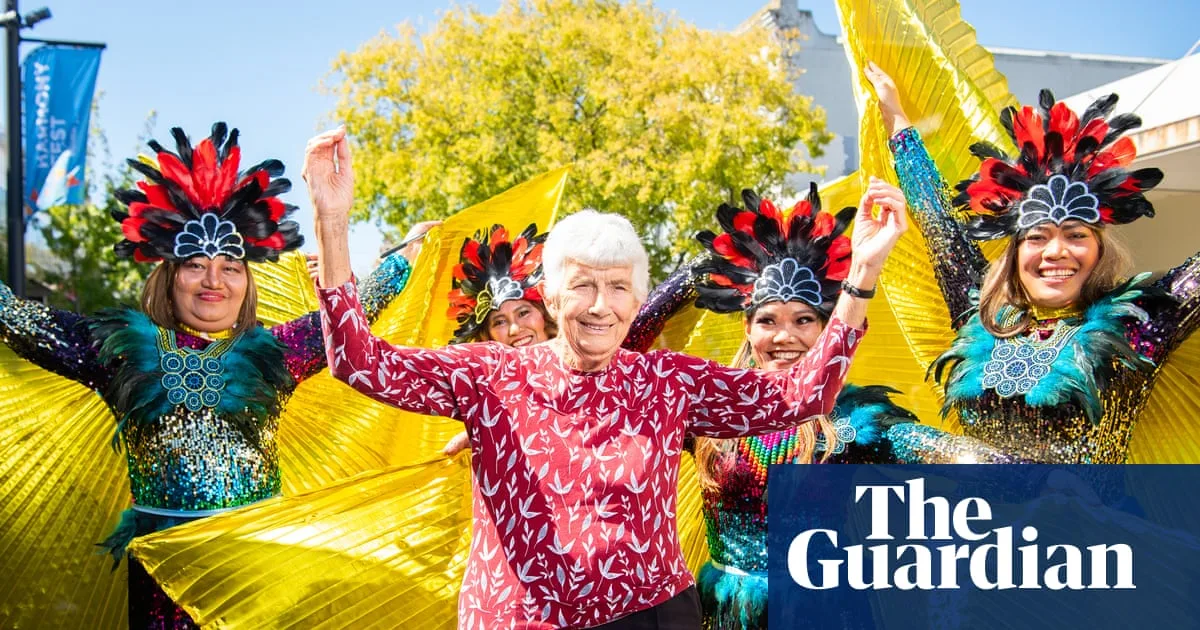
Australians are increasingly participating in religious and cultural festivals outside their own faith, a trend seen from Lunar New Year to Ramadan, Diwali and Passover. Maureen Doonan, an 87-year-old Order of Australia recipient and Uniting Church member from Ballarat, Victoria, makes an effort to attend mosque open days, Sikh celebrations and Aboriginal dawn services. 'The way we worship is different, but I believe it's the same God,' she said.
The trend is reflected in large numbers: more than one million people visited the Ramadan night markets in Sydney's Lakemba this year, which explicitly invited those outside the Muslim community. Michelle Philips, president of the Chinese Australian Cultural Society Ballarat, has participated in Chinese celebrations such as Lunar New Year and the Dragon Boat festival for decades, noting that 'the major focus of these events is around the bond of family'.
Families like Josh and Bec Gatens have engaged with the Bahá'í community's moral educational activities for two years. Bec Gatens said it is important for their daughters 'to be free to choose their faith'. Local musician Paige Duggan, who is not a Bahá'í, also appreciates the 'true connection' felt through community activities. The Bahá'í community has more than 20,000 registered members in Australia, with many more participating in observances.
David MacPhail, 78, grew up Catholic but now identifies as non-believer, though his 'faith has strengthened'. He works closely with Ballarat's Afghan community and attends interfaith events. 'I have found that kindness and goodness is inextricably intertwined with all sorts of religions,' he said. The interfaith network in Ballarat, including members like Doonan, emphasises understanding across beliefs to foster community cohesion.