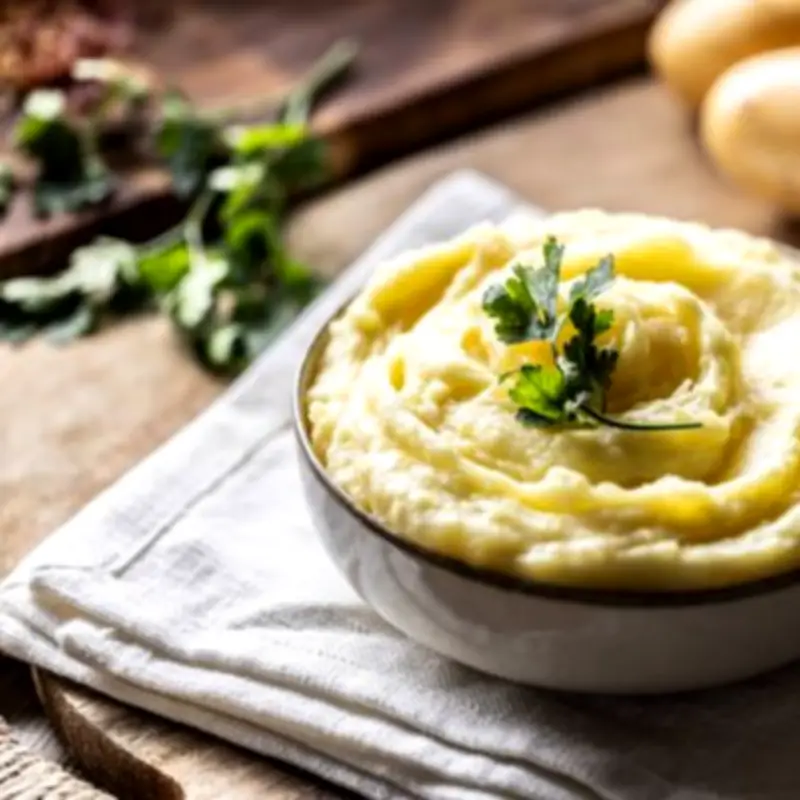
Mashed potatoes are a beloved staple, especially alongside a roast dinner, but they can often turn out heavy and lumpy when the method isn't quite spot on.
The Butter Problem
While butter is conventionally added for a creamier consistency, it can substantially boost the calorie count and sometimes lead to a gluey, paste-like consistency.
Nevertheless, Katie from Wholefood Soulfood Kitchen has shared a hidden secret for achieving the lightest mashed potatoes - and entirely butter-free.
She explained: "This airy and pillowy mashed potato dish is made without butter and with a little bit of olive oil. The olive oil gives it a velvety texture and a really delicious earthy flavour. It's an easy recipe to follow and put together."
Expert Approval
New York Times Recipes chef David Tanis remarked olive oil mashed potatoes are "extremely easy to make, and have the added benefit of being vegan. A hefty dose of garlic lends a bite to the creaminess."
While it may appear unconventional, a drizzle of olive oil can revolutionise your mash, avoiding the weightiness that frequently plagues potato preparations and providing a smoother, more decadent side dish.
Benefits of Olive Oil
Apart from lending a rich, sumptuous character to your mash, olive oil also stops it from turning dry or forming clumps. The primary benefit of using olive oil is its wealth of beneficial fats, rendering it an ideal substitute for those seeking a more filling yet wholesome option without compromising on flavour.
This straightforward method pledges to revolutionise your mashed potatoes, providing improved taste and texture, while keeping things uncomplicated with merely three key ingredients and minimal fuss.
Step-by-Step Instructions
First, ensure the potatoes are completely soft and easily penetrated with a fork after approximately 15 minutes of boiling. Once done, strain the potatoes using a sieve, but ensure you retain some of the starchy liquid from cooking.
Now it's the moment to mash the potatoes. A potato ricer or manual masher proves most effective for achieving the best texture. That being said, steer clear of over-mashing as this can damage the starch within the potatoes, resulting in a dense or gluey consistency. This explains why food processors or electric whisks aren't appropriate for making mashed potatoes.
Following this, slowly incorporate the olive oil, combining carefully with a wooden spoon. Olive oil acts as a superb carrier for additional flavours including minced garlic, fresh herbs or lemon juice.
If you're content to use dairy, consider adding cream cheese, cheddar cheese or sour cream at this stage - the olive oil will enhance their flavours beautifully. Should the potatoes look excessively dense, add a splash of the saved starchy water to relax them. Continue mixing with a wooden spoon until you achieve your preferred texture.
Your lighter, creamier and even more delicious mashed potatoes will then be ready to serve. Any leftover portions should be stored in a sealed container in the fridge, where they will remain fresh for up to two days.