Broccoli and cauliflower are vegetables that divide opinion. Some people find them utterly delicious, while for others they are soggy, tasteless things best left on the plate. Many people of a certain age will remember grandmothers' fondness for boiling broccoli and cauliflower, along with carrots, cabbage and many other vegetables.
Boiling broccoli and cauliflower produces something a long way from tasty and enjoyable, even downright unpleasant. But a different cooking method makes them taste fantastic, transforming them from soggy and bland to downright delicious, and it is no more complicated than boiling them in water.
The best way to cook broccoli and cauliflower
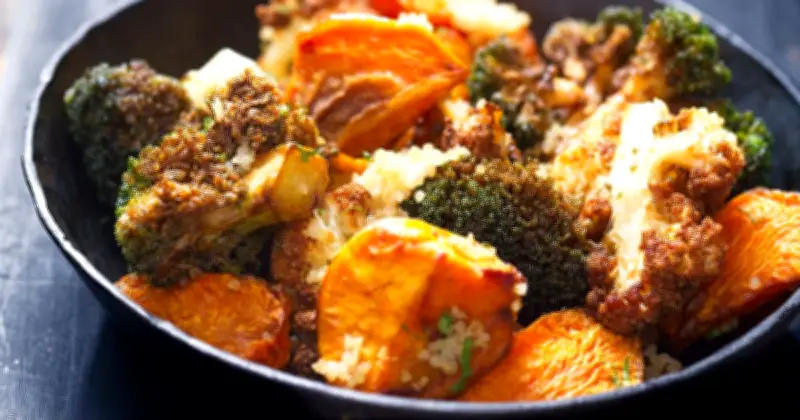
The best way to cook broccoli and cauliflower, without question, is to either pan fry or roast them. Both methods work for both vegetables, but the best results come from frying broccoli and roasting cauliflower. The reason is that broccoli sprouts tend to burn too easily in the oven, while cauliflower can withstand higher temperatures for longer.
To fry broccoli, remove the individual florets from the head then cut each one in half, aiming to get the largest flat surface possible for frying. Heat a large frying pan of oil or butter, then cook the broccoli flat side down over a low-to-medium heat until the bottom is beautifully caramelised. Then turn over and cook on the uneven side for a little while longer. Salt while they cook, or use a bowl to coat the broccoli in oil and seasoning before adding to the pan to fry.
The exact same method works for cauliflower. However, unlike broccoli, cauliflower is very easy to roast and virtually impossible to burn. To roast cauliflower, remove individual florets, halve or even quarter the larger ones (the smaller they are, the more they'll caramelise and crisp up), season them (you can also add things like onion powder and smoked paprika to boost the flavour) and roast them for about 30 minutes on a high heat.
Why frying is better than boiling
The dramatic difference in taste between fried (or roasted) broccoli and cauliflower and the boiled version comes down to a strict temperature limit and two specific chemical reactions that create complex, sweet, and savoury flavours.
When you boil broccoli, the cooking environment is capped at 100°C, the boiling point of water. At this temperature, the vegetable softens and its starches cook, but the heat isn't high enough to trigger browning. The water also dilutes the natural sugars and flavour compounds, sometimes leaving the broccoli tasting bland or slightly bitter. In cauliflower, it is even more dramatic — boiling cauliflower often releases unpleasant sulphurous compounds.
When you fry or roast broccoli or cauliflower in oil, the surface temperature easily reaches 150°C to 200°C. Because oil can get much hotter than water, and because the dry heat evaporates surface moisture, it triggers two crucial transformations:
- The Maillard Reaction: Starting around 140°C, the amino acids (proteins) and reducing sugars in the vegetables, which are both brassica (or cruciferous) vegetables, react together. This reaction creates hundreds of new, highly complex flavour compounds that taste savoury, meaty and toasted.
- Caramelisation: As the temperature climbs past 160°C, the natural complex carbohydrates in the vegetables break down into simpler sugars. These sugars undergo pyrolysis (heat-induced decomposition), turning brown and creating sweet, nutty, and slightly buttery flavors.
Additionally, dry heat evaporates the water inside the vegetables, concentrating those newly formed sugars and flavours, making the final result taste significantly sweeter and richer than when boiled. So if you've also seasoned your vegetables you end up with a complex mix of sweet, salty, nutty, buttery and even meaty flavours — a far cry from the bland, mushy, boiled versions.