The Fabulous Funeral Parlour: A Moving Documentary on Funeral Industry Innovation
Channel 4's compelling new documentary, The Fabulous Funeral Parlour, offers a refreshing and deeply human perspective on an industry often shrouded in solemnity and tradition. The programme follows the remarkable work of Butterflies Rising Funeral Care, a Liverpool-based funeral home founded by Hayley McCaughran that is boldly challenging conventional approaches to death and mourning.
Breaking Traditions with Personal Touches
From the opening scenes, it becomes clear this is no ordinary funeral service. Viewers are introduced to a casket bearing a gold plaque with the unexpected inscription "FUCK OFF" - a testament to McCaughran's philosophy of personalisation. "We don't do it in a traditional way," explains McCaughran, whose approach involves asking families about the deceased's favourite sayings and personal quirks to create truly individualised memorials.
The documentary follows several families through their grief journeys, most poignantly that of Marion, who has just weeks to live due to kidney failure. Determined to ease the burden on her young daughters, Marion plans her own funeral with remarkable humour and specificity, requesting a singer, disco and rave for her final farewell. Her ability to maintain laughter while discussing an operation that required surgeons to "sew your bottom up" demonstrates the documentary's delicate balance between light and heavy moments.

Glamour, Respect and Human Connection
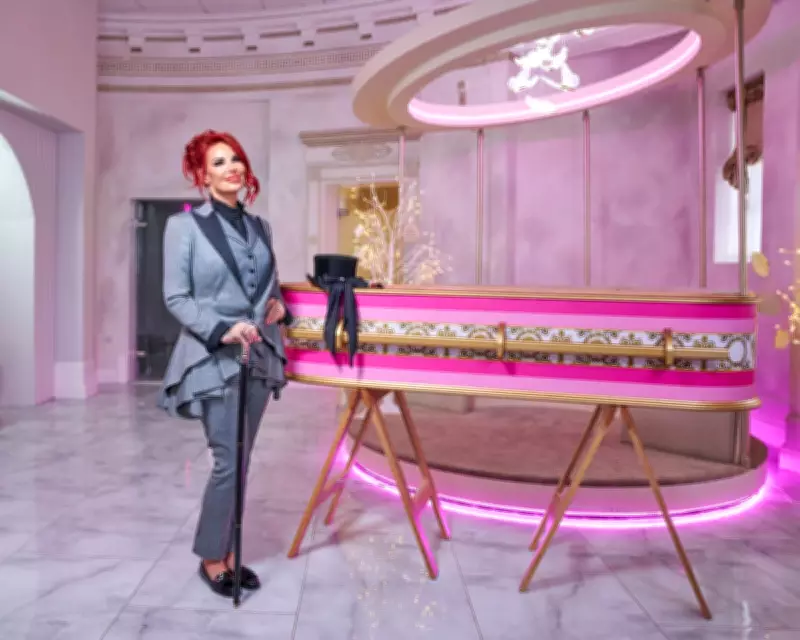
McCaughran herself cuts a distinctive figure with her pillar-box red curls and full makeup, pottering around what she describes as a "spa-like" funeral home. Her interactions with the deceased are particularly striking - she chats to them as if they were still present, offering morning greetings, splashing aftershave, and even mentioning that tea is waiting. "Just because they're asleep it doesn't mean they don't deserve the same respect as you or I," she explains, challenging conventional notions of how we should treat the dead.
The attention to aesthetic detail is another hallmark of Butterflies Rising's approach. Funeral co-director Neil Irons demonstrates this when carefully zipping a client's fleece three-quarters of the way up, explaining the importance of such details to families. Marion visits the parlour with her makeup already applied so staff can see exactly how she prefers to present herself, though she confesses she'd love help with cat's-eye liquid eyeliner for her funeral.
Personal Grief and Professional Compassion
McCaughran's own journey into the funeral industry is deeply personal. Her mother died of cancer at 59, and at the time McCaughran was working as a botox and filler technician, feeling it was too late to retrain as a doctor or nurse. She admits she never properly grieved, and this unresolved loss surfaces powerfully when she comforts Marion's daughters, tearfully reminding them: "It's your mum - you only get one of them."
The documentary doesn't shy away from more complex grief either. Another family grapples with the sudden death of Margie, who struggled with alcohol addiction and died during a relapse. Her daughter Mel's raw disbelief - "It's not real; it can't be real" - captures the circular, disorienting nature of sudden loss with remarkable sensitivity.
Liverpudlian Spirit and Industry Context
While the documentary feels distinctly Liverpudlian in its subjects' wit, strength and glamour, it intriguingly avoids extensive exploration of the city's cultural context. Director Lydia Noakes appears to have deliberately sidestepped potential clichés about Liverpool, instead focusing on universal human experiences. This leaves viewers curious about whether Butterflies Rising represents a unique phenomenon or part of broader trends in funeral industry innovation.
The documentary's conclusion finds McCaughran at her mother's grave on the fifth anniversary of her death, sitting on a patio chair while drinking a tin of Strongbow Dark Fruit. "1,827 days since I heard your beautiful, unique voice," she reflects, perfectly encapsulating the programme's central message: if certain behaviours aren't inappropriate in life, why should they be in death?

The Fabulous Funeral Parlour ultimately succeeds in making viewers reconsider their assumptions about death, mourning and memorialisation. By blending camp humour with genuine pathos, and personal stories with professional innovation, it presents a compelling case for more personalised, human-centred approaches to funerals - approaches that honour the deceased's true personality while supporting the living through their grief.