The Disturbing Tale of a Whiskey Fortune Heir and Cannibalism in the Congo
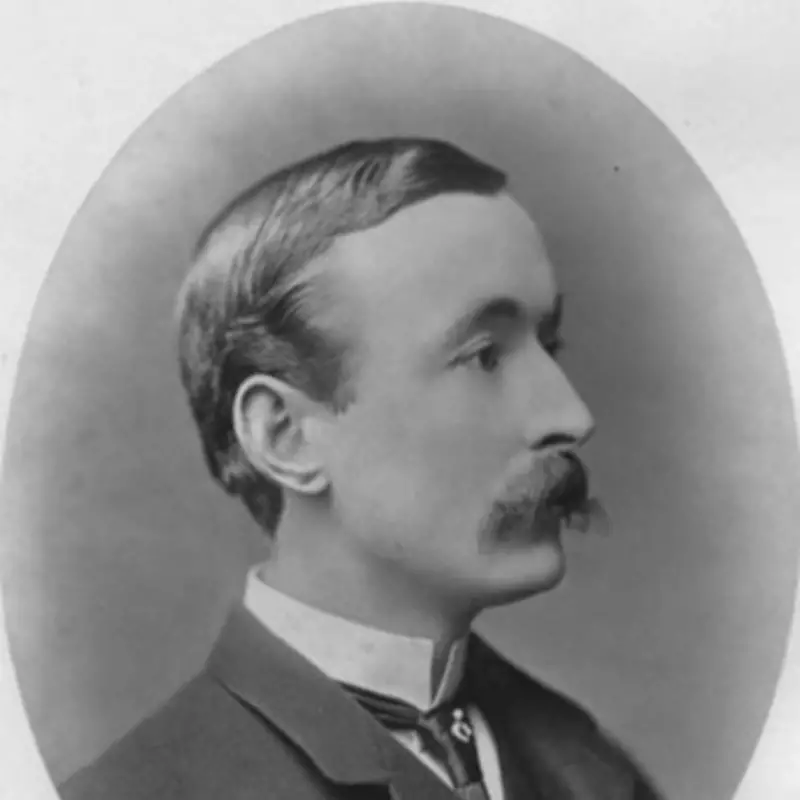
When you next savor a glass of Irish whiskey, consider the dark legacy of James Sligo Jameson, the heir to the Jameson Irish Whiskey empire. Born into privilege in 1856, his wealth funded global travels, but his journey into Central Africa in 1887 would lead to one of history's most chilling episodes.
A Rescue Mission Turns Sinister
In 1887, Jameson joined a high-profile rescue expedition led by famed explorer Henry Morton Stanley. Their goal was to reach Emin Pasha, the beleaguered governor in what is now the Democratic Republic of the Congo. However, the mission quickly descended into chaos due to alliances with notorious figures.
The expedition formed a relationship with Tippu Tip, a notorious African slave trader, who provided men to carry supplies. This alliance proved disastrous, as local villagers, victimized by Tip's slave raids, refused to trade with the Europeans. Faced with starvation, Jameson and his comrades resorted to kidnapping African women and children, holding them for ransom until their communities provided food.

Jameson's Macabre Curiosity
According to later testimony from expedition members, Jameson expressed a disturbing curiosity about reports of cannibalism in the region. By May 1888, the expedition reached the central forests of the Congo. Near the village of Yambuya, Jameson witnessed local people dancing and was told by Tippu Tip that such celebrations often ended in cannibalism.
Jameson wrote in his diary that he dismissed these claims as "travellers' tales" or lies. In response, Tippu Tip suggested a horrifying demonstration, saying, "Give me a bit of cloth, and see." Believing it to be a joke, Jameson sent his assistant to fetch six handkerchiefs.
The Gruesome Act Unfolds
A man then appeared, leading a 10-year-old girl by the hand. She had been captured during a slave raid. Jameson described the subsequent events in his diary: "I then witnessed the most horribly sickening sight I am ever likely to see in my life. He plunged a knife quickly into her breast, twice, and she fell on her face, turning over on her side."
Three men ran forward and began cutting up the body, with her head severed. Jameson noted, "not a particle remained," as each man took his piece to wash in the river. He expressed disbelief until the last moment, thinking it was a ruse to extract money from him.
Sketches That Fueled Controversy
After returning to his tent, Jameson made several sketches of the scene. However, witnesses, including interpreter Assad Farran, claimed he began the drawings while the horrific act was still happening. Farran's affidavit stated, "The man who had brought the girl said to the cannibals: 'This is a present from a white man who desires to see her eaten.' Jameson in the meantime made rough sketches of the horrible scenes."
Jameson reportedly enjoyed showing off his sketches to companions, fueling beliefs that he was complicit and aware of the girl's fate. This act has cemented his reputation as a controversial figure in history.
A Tragic End and Lasting Legacy
Jameson never had the chance to fully defend himself against these allegations. Three months later, in 1888, he died of a high fever at the age of 32 and was buried on an island in the Congo River. His death left unanswered questions about his motives and involvement.
Today, James Sligo Jameson is remembered not only for his contributions to natural history, with several birds named after him, but also for this dark chapter. The incident highlights the brutal realities of colonial expeditions and the moral ambiguities faced by those with immense wealth and curiosity.
The story serves as a grim reminder of how privilege and exploration could intersect with violence in the Victorian era, leaving a legacy that continues to shock and provoke discussion over a century later.