The second Friday the 13th of 2026 arrives this month, with a total of three such dates this year, falling in February, March and November. For the superstitious, this date is synonymous with bad luck, a belief deeply rooted in history.
The superstition is widely thought to originate from the Last Supper, where 13 people gathered on Maundy Thursday, the night before Jesus Christ's crucifixion on Good Friday. The number 13 is thus linked to Judas Iscariot, the betrayer, and considered imperfect compared to 12, which represents the months in a year.
The unfortunate union of day and date also traces back to Friday 13 October 1307, when King Philip IV of France ordered the arrest of hundreds of Knights Templar. Under pressure from Pope Clement V, the Catholic crusaders were apprehended on allegations, seemingly unfounded, of forcing recruits to deny Christ and engage in homosexual acts. The charges were a convenient excuse for Philip to target the wealthy order and cancel debts owed to them.
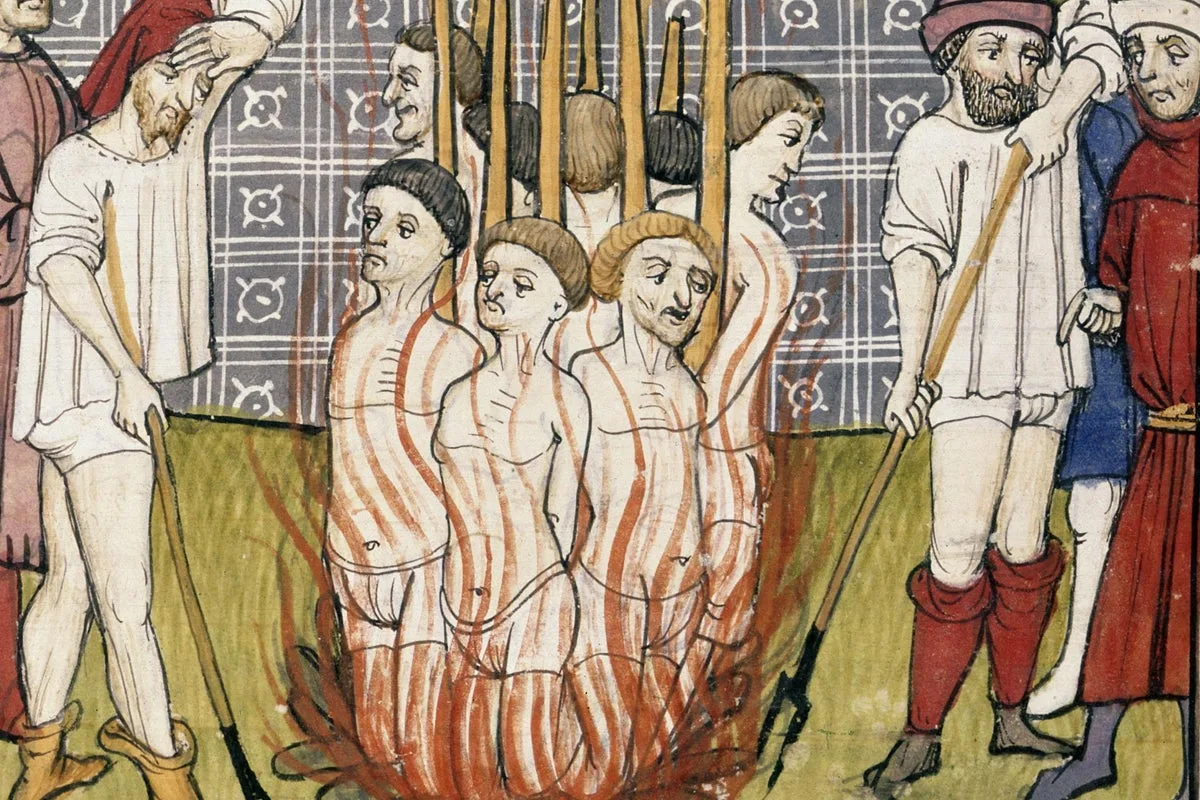
Many knights were later burnt at the stake in Paris, including Grand Master Jacques de Molay, who is said to have cursed his persecutors: “God knows who is wrong and has sinned. Soon a calamity will occur to those who have condemned us to death.” According to tradition, this hex ensured that every subsequent Friday the 13th brings misfortune.
An irrational fear of the date is known as paraskevidekatriaphobia. Interestingly, in Spanish-speaking countries and Greece, it is Tuesday the 13th that frightens people, while in Italy it is Friday the 17th. Other famous indicators of bad luck include a black cat crossing your path, breaking a mirror, walking under a ladder, opening an umbrella indoors, and saying the name of Shakespeare’s “Scottish play” in a theatre.