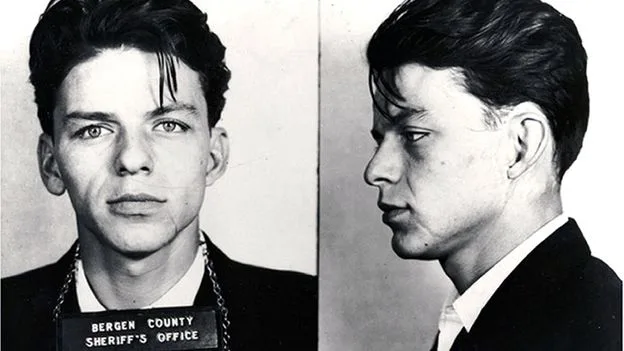
Frank Sinatra's FBI file, which grew to over 2,000 pages, details his alleged mob ties, liberal politics, and a furious reaction to the kidnapping of his son Frank Sinatra Jr. in 1963. The crooner, known for his temper and sharp-suited style, was investigated for decades due to his connections with organised crime figures and his influence in Washington.
The kidnapping of his son, which occurred on December 8, 1963, saw Sinatra personally negotiate with the kidnappers, paying a ransom of $240,000. FBI documents reveal his rage during the ordeal, as he worked with law enforcement to secure his son's release. The incident further fueled perceptions of Sinatra as a dangerous figure, though his music remained widely popular.
Sinatra's background in street politics and his mother Dolly's influence—a midwife, political ward leader, and prohibition-breaking bartender—shaped his need to be seen as 'Il Padrone' (the boss). This drive led to clashes with authorities and a reputation for being a handful with reporters, but also to immense generosity and loyalty to friends.
Despite the controversy, Sinatra's appeal endured, with his emotional singing style and bad-boy image captivating audiences. His FBI file remains a testament to the tension between his public persona and private life, highlighting the complex legacy of Ol' Blue Eyes.