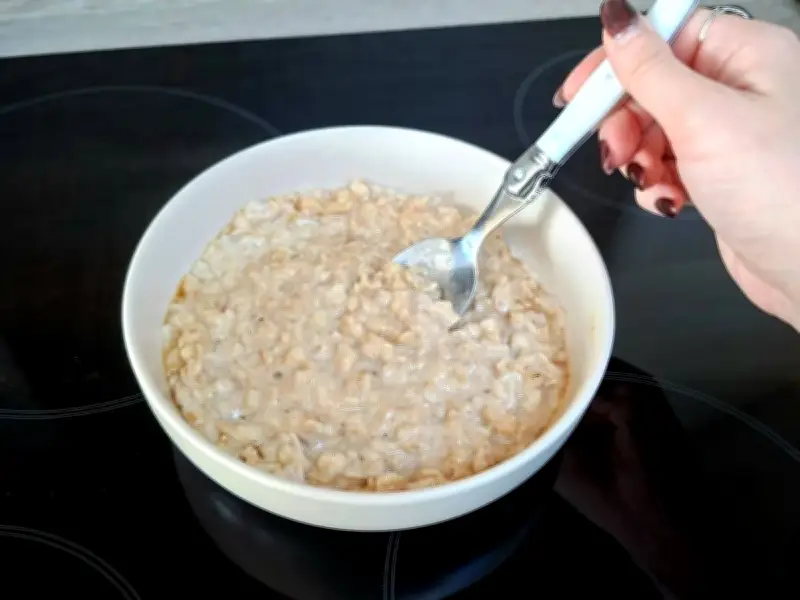
A porridge taste test has found the slow cooker produces the best results, scoring 5/5, while the microwave scored just 1/5. The hob method scored 4/5.
Porridge, sometimes called oatmeal, is a breakfast staple with origins in the Neolithic era. Traditional recipes use rolled oats cooked in water or milk, but other grains like rice, maize, wheat, barley, corn, triticale, and buckwheat can also be used. It is often flavoured with salt, sugar, honey, fruit, jam, or syrup, though some cultures make savoury versions with spices, fish, meat, or vegetables.
Global varieties include polenta (maize), poi (taro), gruel (liquid oat porridge), congee (savoury rice porridge), and Scottish brose and crowdie (raw oats with water). The test used jumbo oats, unsweetened almond milk, a teaspoon of cinnamon, and a pinch of salt for each bowl, with maple syrup and peanut butter as toppings.
Microwave method disappoints
The microwave was the fastest method but produced the worst results. The oats failed to soften enough, even after soaking in milk for five minutes before microwaving. The mixture also overflowed in the microwave, despite following an online recipe, though this may have been due to the specific appliance used.
The result was clumpy and gritty, described as like eating waterlogged sawdust in almond milk, and even maple syrup could not improve the bland flavour. The reviewer suggested the microwave might work with quick oats, which are pre-processed, but advised avoiding it for jumbo rolled oats. Score: 1/5.
Hob method delivers creamy texture
For the hob method, 50g of jumbo oats were used with approximately 250ml of almond milk, a pinch of salt, and a teaspoon of cinnamon. The oats were soaked briefly, then brought to the boil over medium heat with continuous stirring to prevent sticking. Once bubbling, the heat was reduced to low and the oats simmered for just under 10 minutes with regular stirring.
The porridge was left to rest in the pan for a couple of minutes before serving with maple syrup and peanut butter. The texture was velvety with the right amount of substance, neither stodgy nor bland, and the taste was pleasantly natural. The reviewer said they would try it again when they have 20-30 minutes to spare. Score: 4/5.
Slow cooker wins with perfect texture
The slow cooker method was described as a revelation. For this method, 80g of oats and 400ml of almond milk were placed in the slow cooker with a pinch of salt and a teaspoon of cinnamon, then cooked on high for 2 to 3 hours, checked every hour. The recipe yields two portions.
The slow-cooking process draws out the oats' nutty flavour and breaks them down, producing a creamy texture that retains heartiness. The texture was spot-on, with flavours combining into a nutty, sweet, and salty bowl. For overnight preparation, the ingredients can be set on low for approximately eight hours, with the interior coated with butter or oil to prevent sticking, though the reviewer noted they like the oats becoming slightly crispy around the edges. Score: 5/5.