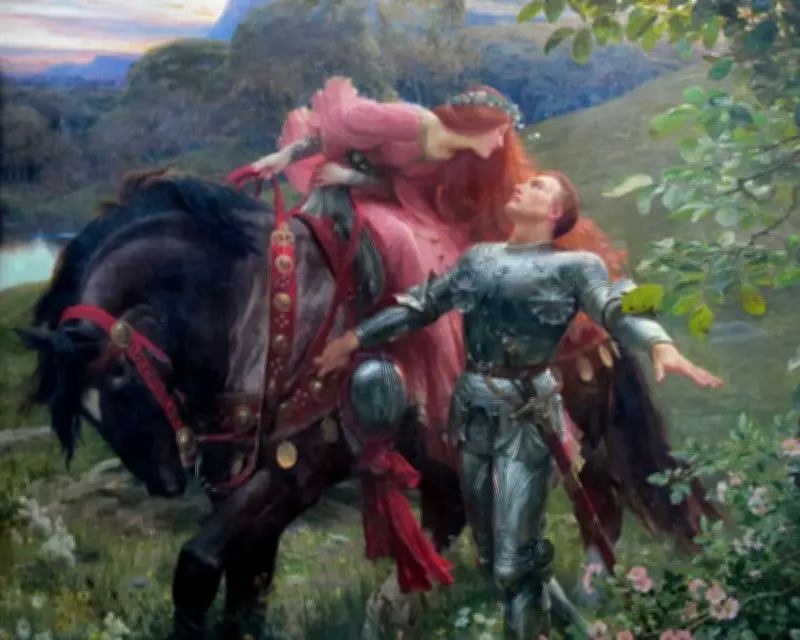
Romantasy, the genre of beautiful, human-sized fairies having sex with humans, is often dismissed as raunchy trash. But this enchanting genre is much older and wilder than critics imagine, with roots stretching back to the 12th century.
Medieval Origins of Fairy Romance
Medieval romances originated in the French courts of the late 1100s and were wildly popular, spreading throughout Europe and down the social scale. They drew on tales of fairies in earlier myths, especially within Arthurian legends, and were adapted to be as thrilling as possible, providing escapism similar to today's romantasy.
As one 13th-century romance author noted, speaking about the real world brings “grief and torment” – so why not turn to fairies? These stories featured glitter and blood, crystal palaces, enchanted realms, and terrifyingly handsome fairy knights.
Sexual Freedom and Gender Roles
The wild sexual freedom of modern romantasy was present in medieval romance, which overflowed with sexually active fairies. Detailed descriptions of fairy bodies were common, and both fairies and mortals were always “taking what they desire” and getting each other pregnant, even when married to someone else.
Medieval romance, like modern romantasy, was often written by women, such as the 12th-century poet Marie de France, and had a large female audience. These stories provided a safe place for women to explore their desires in a repressed society. It was generally accepted that fairy sex didn't quite count, so women who slept with fairies were still thought of as virgins.
Romantasy still provides this space now, with many books targeted at teenage girls and popular with women from conservative backgrounds. The darker, more coercive side of fairy relationships helps alleviate guilt – the less consensual the encounter, the less the mortal can be blamed.
These stories also include freedom from gender roles. In modern romantasy, women are the heroes and drivers of plots, while male love interests are loving and vulnerable underneath. Medieval romances flipped gender roles too, with powerful fairy queens often rescuing distressed knights, as in the 12th-century poem Lanval.
Criticism and Enduring Appeal
Men also enjoyed these fantasies, with 18% of romantasy readers in the US being men. Medieval courts were familiar with criticisms of fairy romance, just as today's romantasy authors are accused of cheapening popular culture. Chaucer even wrote a parody, Sir Thopas, about a knight seeking an elf queen.
The vitriol seems to stem from the fact that it's a genre enjoyed by women. In the 14th century, Chaucer mockingly claimed women held romances “in full great reverence,” and clergymen complained about women listening to romances “joyously and willingly.” Today, the genre is accused of making women stupid.
Fairy romance gave us great literature, including Shakespeare's Titania and Oberon in A Midsummer Night's Dream, and Don Quixote as a romance parody. Medieval romance faded in the late 1500s as fairies became miniature and less appealing as lovers.
It's an utter joy to see female-centred fairy fantasies returning, hundreds of years after the first medieval romances were composed. Reading medieval romances alongside modern romantasy means participating in a centuries-old genre of freedom, imagination and joy.