Oversized shirts, boxy T-shirts and baggy knits have taken over fashion, making traditionally sexy dressing seem passé. Laura Craik reflects on how comfort and safety have reshaped women's wardrobes, from the office to the catwalk.
The rise of baggy nonchalance
Recently, Craik met friends for Sunday lunch, and all of them wore oversized shirts. She had almost not changed out of her dog-walking clothes for the occasion. She was mollified to see that all four had dressed as though about to paint a bathroom, in clothes a Surrey banker might label as “man-repelling”.
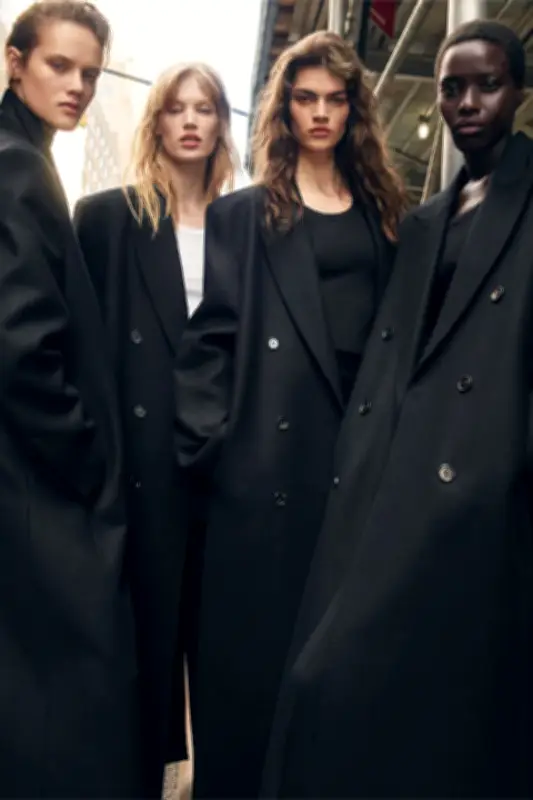
The following weekend, at fashion shows, the front row was similarly dressed: oversized shirts, coats, boxy T-shirts, baggy knits or shapeless tops. While no fashion editor would wear a show look, the wilful slouch was striking. Breasts and waists were not on display.
Lockdown ended years ago, but its baggy nonchalance remains. Body-conscious dresses, high heels, thigh splits and naked shoulders seem to belong to a bygone era of Elizabeth Taylor and Sofia Loren. Now, clothes swallow the body, and dressing like Loren would stand out.
The Phoebe Philo effect
Phoebe Philo's XXL aesthetic—giant blazers, slouchy trousers—relishes concealment and has been hugely influential since its 2023 launch. Labels like Philo, Toteme and The Row, plus more affordable brands like Aligne, Jigsaw and Cos, wardrobe women who want to look smart and office-appropriate while signalling fashion credentials. A trouser-suit is now the default office uniform for women, as it has always been for men.
Craik does not think women will return to the “sexy secretary” look, as comfort and ease are now prized—qualities previously only allowed to be enjoyed by men.
Gen Z and the backlash against sexy
The message has trickled down to Gen Z. Teens and early twenties are traditionally when sexy dressing peaks, but today's teens are versed in the dire consequences of baring too much flesh, thanks to constant messaging that “flaunting” a body is a danger. The word “flaunt” is negative, as though a pencil skirt comes with an inherent invitation.
Craik's teenage daughters have adopted a baggy uniform—jeans and sweatshirts several sizes too big—to avoid hassle on the street. Given that hassle started when they were 12, dressing to look desirable feels more risky than risqué. Gen Z cycles through character-led microtrends like Tomato Girl and Coastal Grandma; looking interesting feels safer than looking hot.
Lingerie has changed on the catwalk too. Progressive designers play with the tension between underwear and outerwear, pairing a bandeau bra with a tailored jacket or a stocking with a sensible shoe, as at Prada, diluting any potential sexiness.
Vaccarello and the future of sexy
It is yet to be confirmed whether Anthony Vaccarello, creative director of Yves Saint Laurent since 2016, is leaving. If true, it would be another death knell for sexy. Vaccarello could always be relied upon to serve up a “slutty little number or three”, be it a leather pencil skirt, satin cami shorts or a lace bodysuit slashed to the navel. His rumoured successor, Chemana Kamali, currently at Chloé, veers towards the whimsical: billowing shapes in saccharine pastel hues.
Vaccarello typically dresses subversively sexy pop stars such as Charli xcx, Madonna, Miley Cyrus and Lily Allen. But this emphasises the growing disconnect between “showgirl style” and regular style. There was a time when everyone walked around dressed like Madonna, even at the little Tesco. Now, it is mainly influencers who mine this seam—women paid to look sexy with a car booked to drive them home safely.
The rest are happily sticking to barrel-legs and blazers. They might not be sexy, but they are comfy and safe.