The Secret History Behind Your Hoodie's V-Stitch
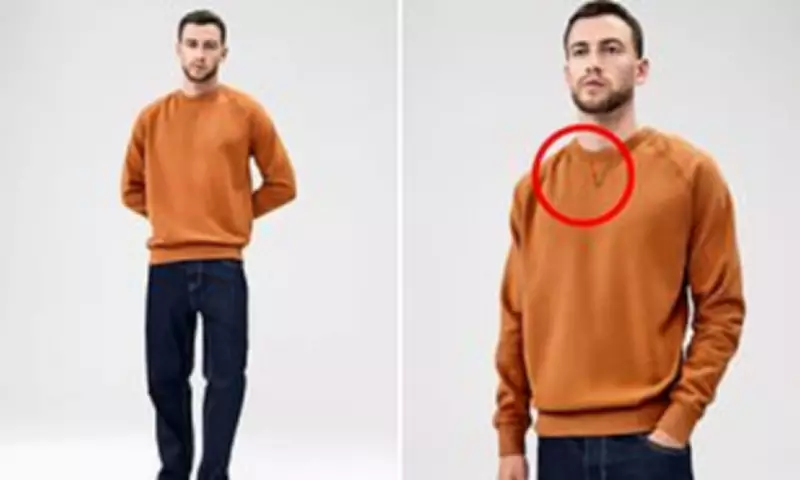
Across Australia, countless wardrobes contain hoodies and crew neck sweatshirts featuring that distinctive small V-shaped stitch just below the collar. For generations, this detail has been accepted as mere decorative flair. However, a viral revelation has exposed its true, practical origins that date back nearly a century.
A Viral Fashion Discovery
Boston-based content creator Alex Ma recently shared the surprising truth in a video that has captivated over six million viewers worldwide. According to Ma's research, this now-iconic V-panel design originated in 1926 when American sportswear pioneer Russell Athletic developed what is widely recognized as the first modern sweatshirt.
This innovation emerged from a specific athletic need. Before cotton sweatshirts became standard, American football players wore thick wool jerseys during games and practices. While wool provided warmth, it created significant problems during intense physical activity.

'Wool is warm, which is great, but when you mix wool, sweat, and intense physical activity, you end up with a heavy, disgusting mess,' Ma explained in his viral presentation. 'Plus, when you'd wash it, the wool would shrink dramatically, ruining the garment's fit.'
The Practical Purpose Revealed
The shift from wool to cotton created a lighter, more breathable alternative for athletes. However, designers still needed to address sweat accumulation around the neckline area. This challenge led to the creation of the triangular V-panel.
'That V-shaped panel is positioned exactly where sweat first accumulates on your body, at the upper chest and collarbone area,' Ma detailed. Originally, this wasn't just decorative stitching but a separate, thicker piece of cotton fabric sewn into the neckline construction.
This absorbent buffer served a crucial function: soaking up moisture before it could spread across the front of the garment. The design essentially created a sweat-management system built directly into the clothing, giving the 'sweatshirt' its appropriately descriptive name.
Multiple Functional Benefits
Remarkably, sweat control represented only one of three practical problems solved by this innovative design. Because the V-insert was constructed separately, often using ribbed knit fabric, it created a flexible point at the collar that moved independently from the main garment body.
'When you pull a sweatshirt over your head, the V-panel stretches independently without distorting the main body of the garment,' Ma explained. This prevented the neckline from stretching out over time, a common issue with traditional crew neck designs that lacked this reinforcement.
The design proved particularly valuable for football players who needed to pull their jerseys over bulky protective helmets. 'That V-panel provided extra stretch at the neckline, making it possible to get the jersey on over the helmet without ripping the collar,' Ma noted, highlighting how form followed function in this athletic innovation.
The Modern Twist: Mostly Decorative Now
While the V-notch became synonymous with heritage athletic construction throughout the twentieth century, Ma revealed that many contemporary versions no longer serve their original practical purposes. 'And here's the twist: most of them nowadays are fake,' he stated bluntly.
On numerous hoodies and sweatshirts sold today, the V-shape exists purely as aesthetic decoration. Some feature extra fabric stitched on top that provides no functional stretch, while others display only V-shaped stitching with no additional fabric whatsoever. 'It's literally just two lines of thread suggesting where a V panel would be,' Ma observed.
According to the fashion historian, this distinction reflects fundamental differences in construction quality and design philosophy. 'A real V-panel means the brand cared about construction, heritage, and quality,' he emphasized. 'A fake V-panel means they copy the look without understanding or frankly caring about why it exists. It's the difference between thoughtful design and cheap imitation.'

A Century-Long Legacy
Today, the V-shaped stitch appears across everything from premium sportswear collections to budget basic items, embedded into wardrobes throughout Australia and across the globe. Nearly one hundred years after its invention, this distinctive detail remains prevalent in modern fashion, even as its original practical purpose has largely been reduced to decorative tradition in many garments.
As Ma concluded in his viral video presentation, the simple fact that this design element has endured for an entire century 'tells you it worked' exceptionally well for its intended purposes. The revelation has sparked widespread fascination, with viewers expressing both surprise and appreciation for this hidden chapter in fashion history.
'Omg that's why they are called sweat shirt?' wrote one shocked viewer in the comments, while another joked, 'I'm going to tuck this one in my back pocket for trivia night lol.' This unexpected insight into everyday clothing demonstrates how practical solutions from nearly a century ago continue to influence contemporary design, even when their original functions have been largely forgotten by modern consumers.