The Great Fashion Divide: Gen Z Declares Designer Logos 'Over'
A sharp generational rift has emerged in the world of luxury fashion, with Gen Z branding overt designer logos as outdated and "tacky," while Gen X clings to classic status symbols like the Louis Vuitton Neverfull tote. This clash highlights a seismic shift in how different age groups perceive and display wealth through fashion.
The Logo Loyalists vs. The Minimalist Movement
For many in Gen X, splashing over £1,400 on a Louis Vuitton bag emblazoned with the iconic 'LV' monogram represents a hard-earned status symbol, a birthday treat that evokes glamorous associations with figures like Carrie Bradshaw from Sex and the City. "It's a classic," insists one defender, noting the logo's 130-year heritage. However, Gen Z critics dismiss such items as "new-money nightmares" reminiscent of early 2000s excess, comparing them to "Paris Hilton's Chihuahua vommed you up in 2003."
This criticism is backed by industry analysis. According to authoritative fashion website The Business of Fashion (BoF), designers are slashing logoed products by 40 percent due to reduced demand from younger consumers. BoF argues that fashion has "evolved from the overt status signalling" that logos represent, with Gen Z preferring subtler indicators of taste and affiliation.

The Rise of 'Quiet Luxury' and Its Critics
In place of flashy monograms, Gen Z champions brands like The Row, known for minimalist pieces such as a £610 Wesler cotton T-shirt that, while plain, "subtly signals to others who are clued up that you're part of their group," as noted by fashion magazine Thred. This shift towards 'quiet luxury' emphasizes understated elegance over conspicuous consumption.
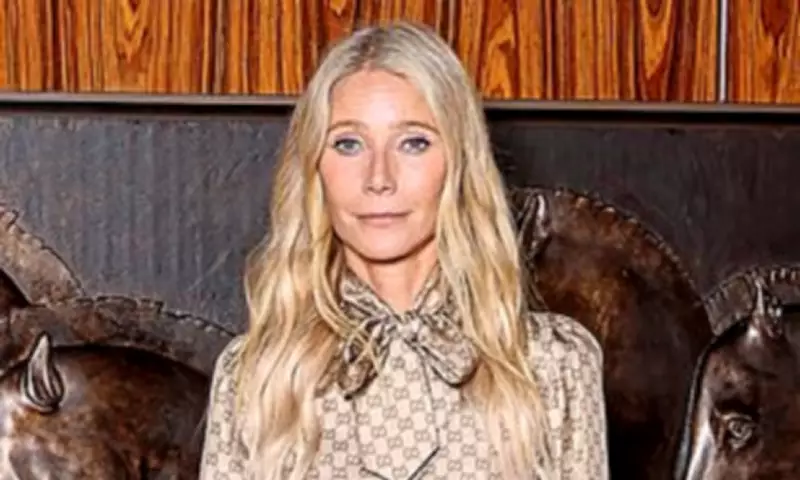
Yet, Gen X remains skeptical. "What's wrong with signalling status? Isn't that literally the point of splashing out on designer stuff?" one questions, defending purchases like Gucci sunglasses saved for over a year. The debate turns personal when discussing celebrities: while Gen Z mocks Gwyneth Paltrow's monogrammed Gucci outfit as "gauche" and reminiscent of "wrapping paper," Gen X admirers call it "chic."
Market Implications and Cultural Tensions
The fashion industry is responding to these changing tastes. Vogue's list of "trendiest bags to buy in 2026" reportedly features no monograms, signaling a broader move away from logo-centric designs. This has left some Gen X consumers feeling alienated, with one lamenting, "Heartbreaking. I'll have to get Mr Vuitton on the phone. Tell him it's bad news for the Neverfull."
Underlying this fashion feud are deeper cultural tensions over money, taste, and generational identity. Gen Z accuses logo lovers of screaming "I NEED YOU TO KNOW I HAVE MONEY" like lottery winners, while older generations view minimalist trends as inaccessible or pointless. As one Gen Z proponent quips, the monogram's cachet is "logo-ing, going, gone," leaving wardrobes deemed "cringe" in their wake. This ongoing dialogue reflects how fashion continues to serve as a battleground for societal values and economic expression.